The Science of Colors

Amelia and I open up a science kit and explore colors.

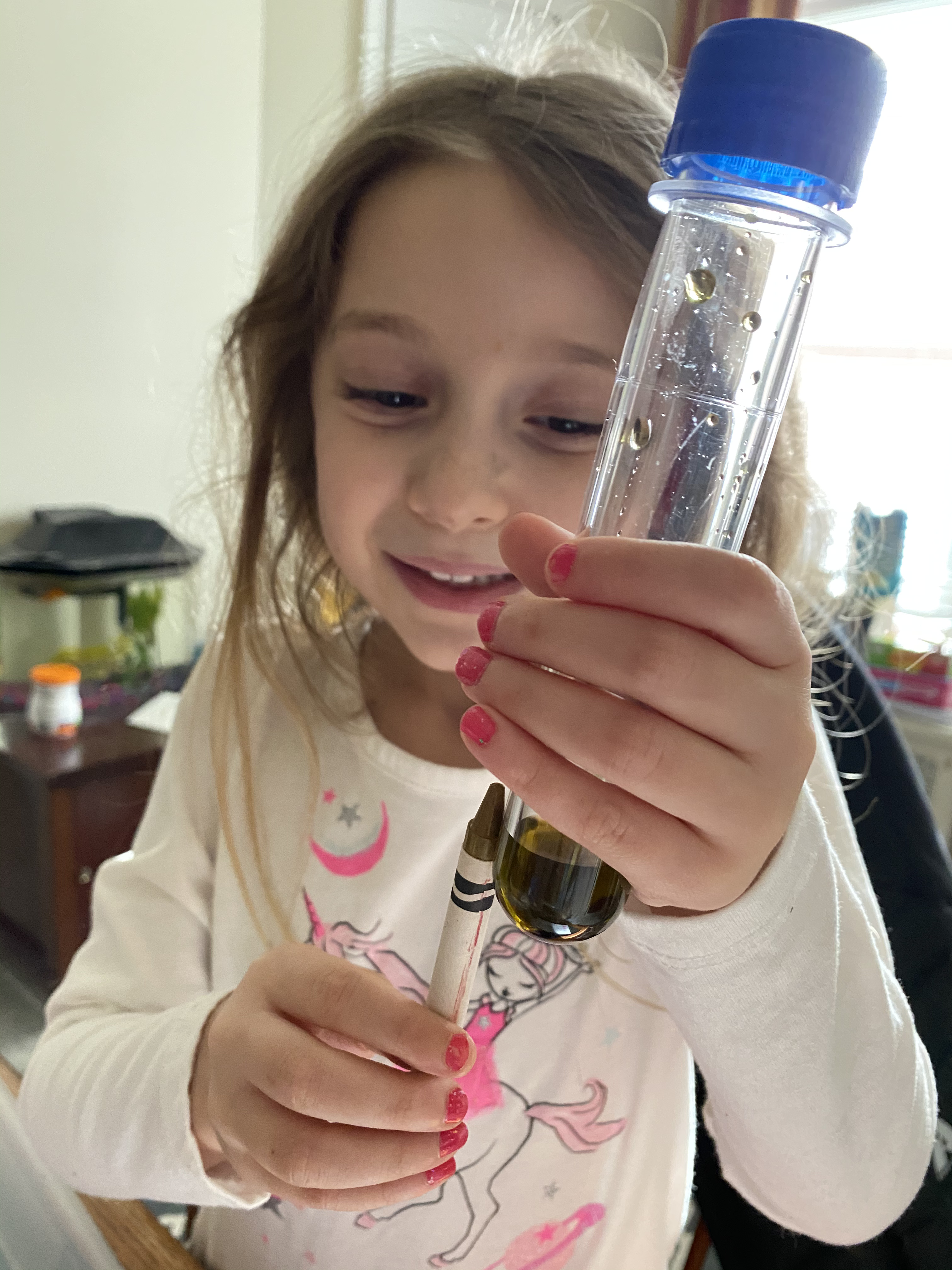
To continue our science obsession, I pulled out a fun science kit I picked up at a yard sale. I was going to choose one of the projects it came with, but after Amelia really enjoyed mixing white and red to make pink with our crystal project, I figured I would continue with that theme.

The kit I have came with a collection of kid-safe test tubes, droppers and other scientific items. So I grabbed some water, food dye of the primary colors and small bowls.

I had Amelia add two drops of each color to the bowls.
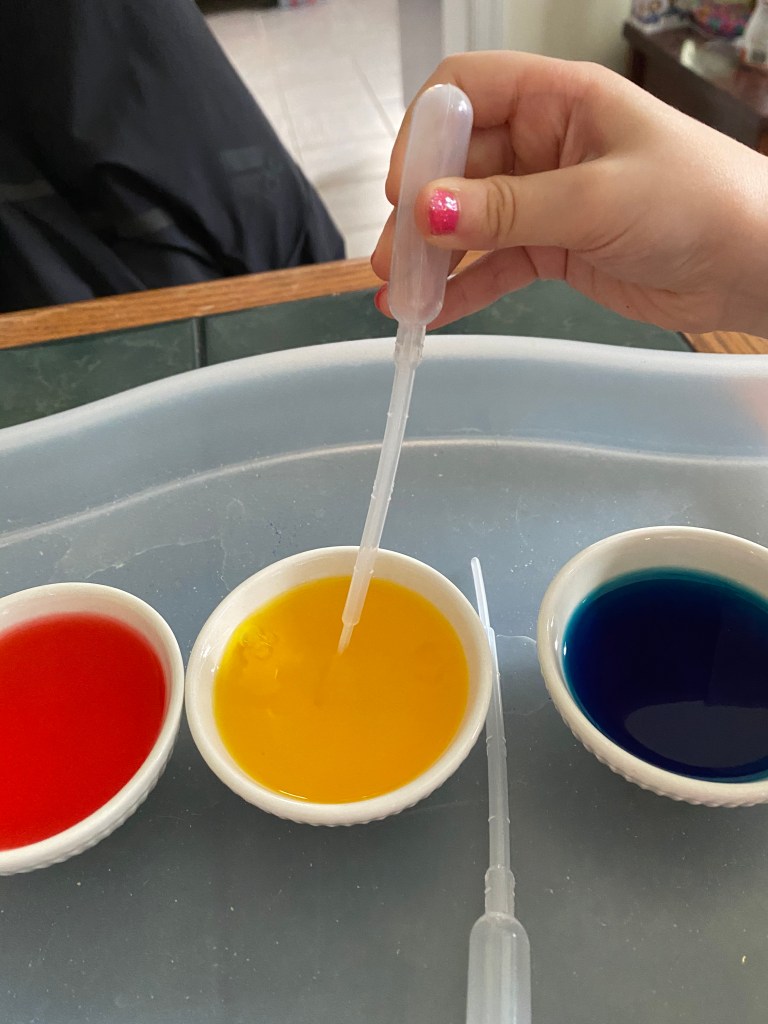
Even though she knows the color combinations from school, we started our experiment by drawing a grid that she filled out as we went along. At first it was simple, so we checked out what red plus yellow made, and yellow and blue, and so on.

I drew out circles so that she could record the results, which she also enjoyed because she felt like she was performing a real scientific study.
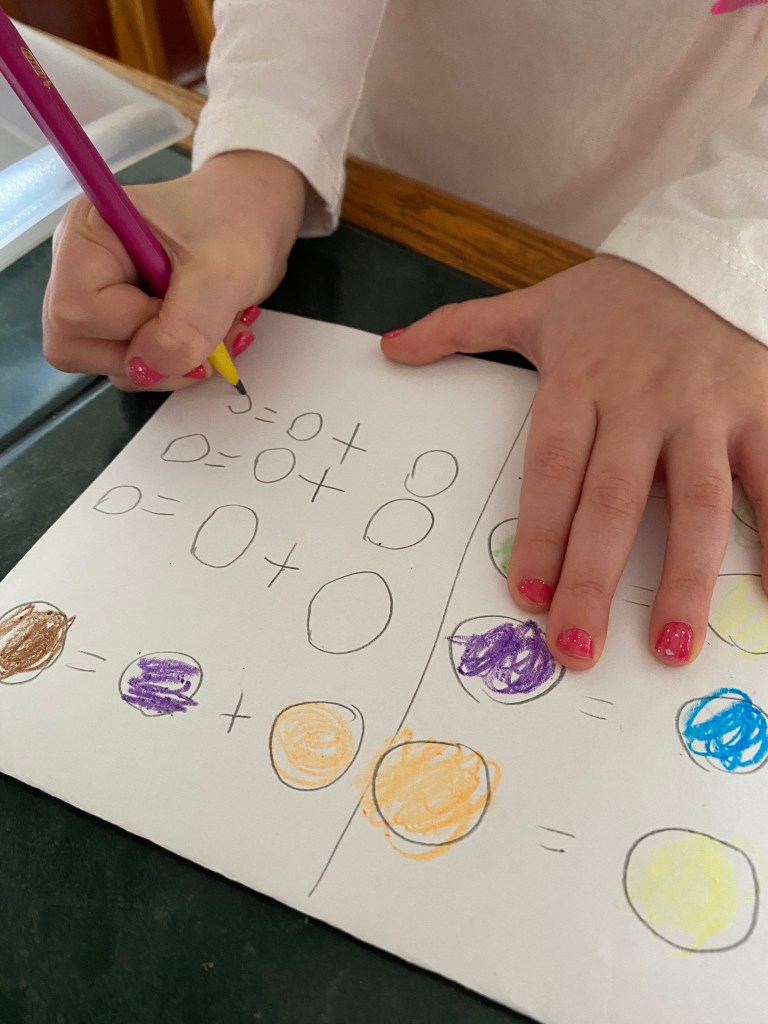
The grid we created to record our results.

I have to say it was a lot of fun for both of us. Amelia got such a kick out of using the test tubes and droppers.

As you can see on the grid, eventually we started mixing the new colors (secondary colors) with others to see what would happen. To be honest, most of them made a greenish-brown color. We tried to match the colors up with her Crayola Crayons as close as we could.

The bottom line is Amelia got some experience using the lab tools, and she quickly (after a minor spill) learned the importance of being careful along with proper care of the equipment. Mixing the colors proved what she had been taught in school, that yellow and blue make green, and so on. She thought that was pretty cool. It’s always good to find ways to reinforce the lessons kids learn in school.

Walden University perfectly summarizes the importance of science in the classroom . “…there are individual benefits to learning science, such as developing our ability to ask questions, collect information, organize and test our ideas, solve problems, and apply what we learn. Even more, science offers a powerful platform for building confidence, developing communication skills, and making sense of the world around us—a world that is increasingly shaped by science and technology.”

I saw a lot of this in our science experiments this week, although Amelia’s favorite part was definitely using the test tubes. My favorite was at the end when she said “Daddy, I think I want to be a scientist.” How cool is that?

SOUND OFF: What are some projects you have used with your kids that involve mixing colors? Let us know in the comments. Amelia and I are always looking for new projects.
Creating a Lego Maze

Creating a Lego maze is a great little lesson involving STEM learning and motor skills.


Do you have a bunch of Lego sitting around? How about a big green baseplate? (Baseplates are the large, flat pieces you build big sets on).

We are a Lego family, so it’s normal for us to have Lego in boxes all over the place. If you aren’t, Dollar Tree has some off-brand ones you can grab.

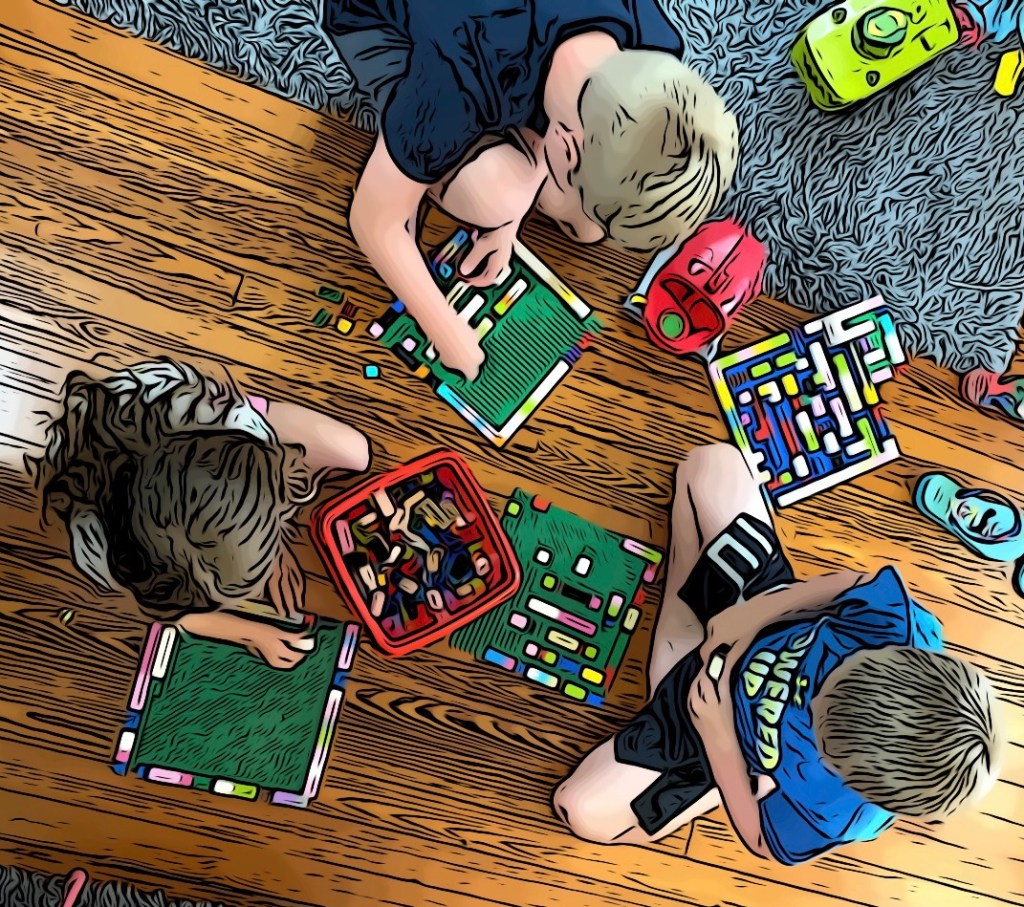
Lego was coming up with little lesson plans last April when things went South pandemic-wise, and one inspired us to create a maze using Lego bricks and a marble. Amelia and I both did it, and then when her cousins came over we all made one.

It’s simple: make a maze out of Lego bricks by placing them strategically on a baseplate. This pushed Amelia in many new ways, such as trial and error. She started putting the pieces too close for the marble to fit, so I had her test it. When the marble wouldn’t fit, she realized she had to make more space.

Then it’s about reaction and motor skills. Once we were done, we had to test our mazes, and see how hard they were, if the marble would fit everywhere, and if we remembered to make a path from the entrance to the exit.

Amelia LOVES mazes, so creating one was fun for her. She worked on motor skills, STEM skills, and we had a lot of fun. I highly recommend this one!

If you need help or inspiration, here is a video on how to do it:

Ant Farming

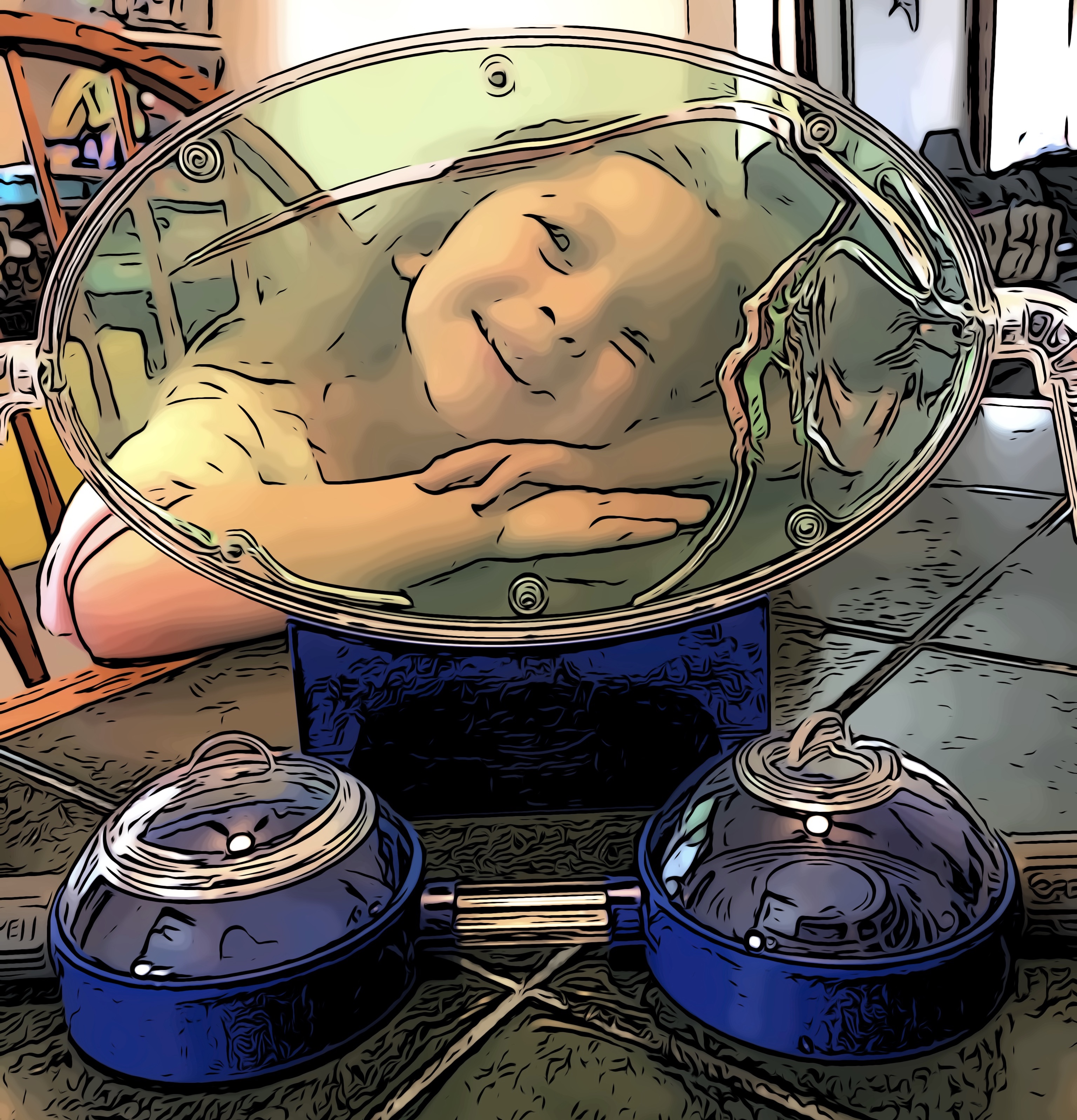
One of the more exciting lessons I’ve done lately for my pod of one was an ant farm. I had picked one up on clearance at Tuesday Morning just before the pandemic started. I highly recommend stopping at one of these stores from time to time if you are on a budget. Their prices are pretty good and they often have clearance sections full of learning toys and STEM kits.

IMG_3635

The only problem was that I didn’t notice it didn’t include a certificate for the ants, so I had to find them myself. After quite a bit of research, I ended up using a company called Ants Alive because their prices were the best at $4.99USD and free shipping.

We watched a YouTube video on ant colonies, and even watched the Coyote Peterson Ant Bite video. Coyote is a favorite in our house! If you haven’t checked him out, you should.

So I told her about the ants a few weeks after ordering them, which was a mistake. Every day she wanted to check the mail. When they finally came, we followed the directions and put them in the fridge for a bit. This slows them down enough to drop them into the ant farm without worrying about losing some.

IMG_3636

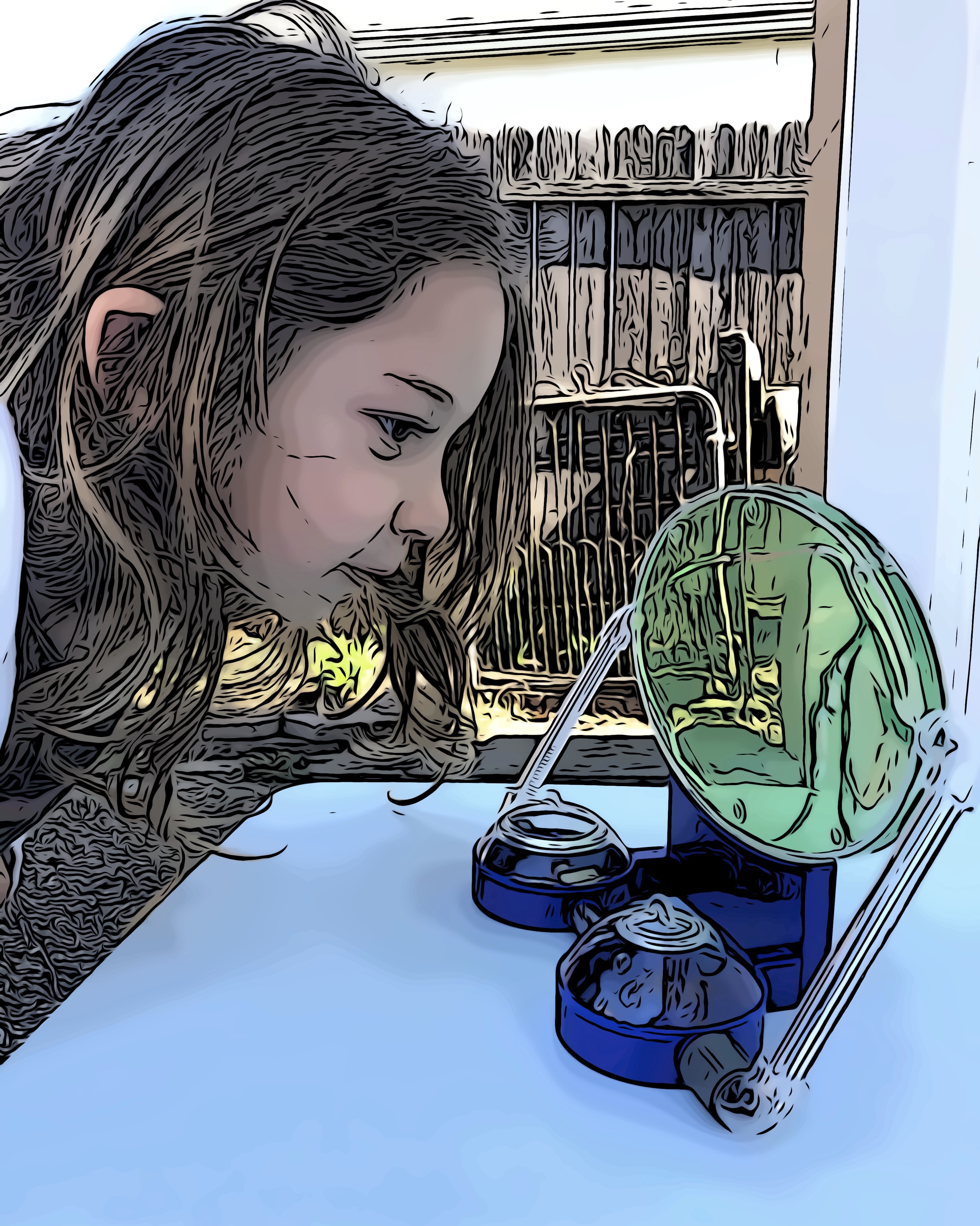
This one was a huge hit with Amelia. She checked on them every hour or so to see the tunnels change. It’s pretty amazing how quickly the create their intricate tunnel system.

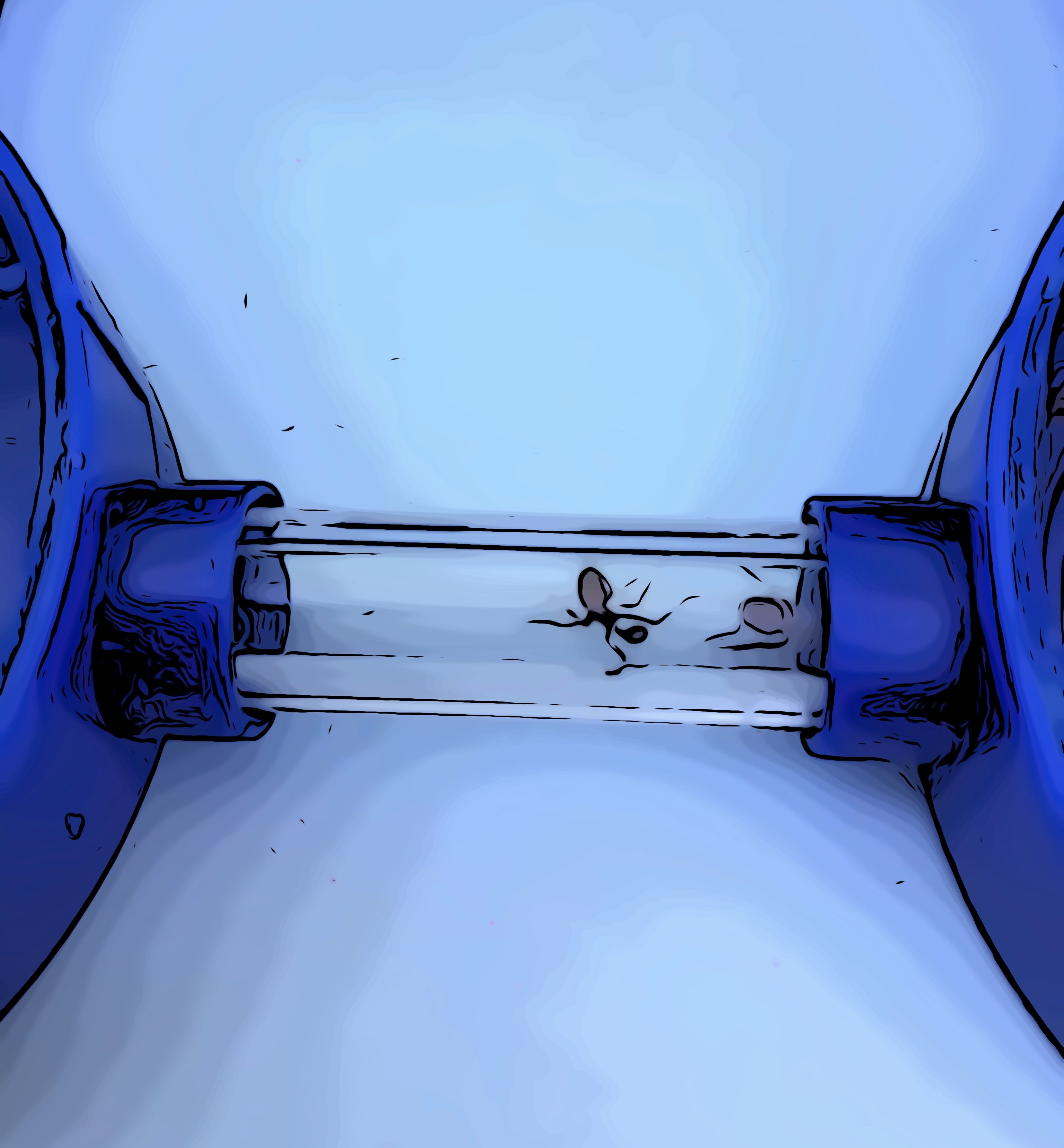
This farm has a few tubes for them to run around in, and pods for food and water with safety lids to they don’t escape.

We tested different foods and had a lot of fun.

She still checks on them in the morning, although we have a few less at this point.

IMG_3637

Gardening is Fun (and Educational)

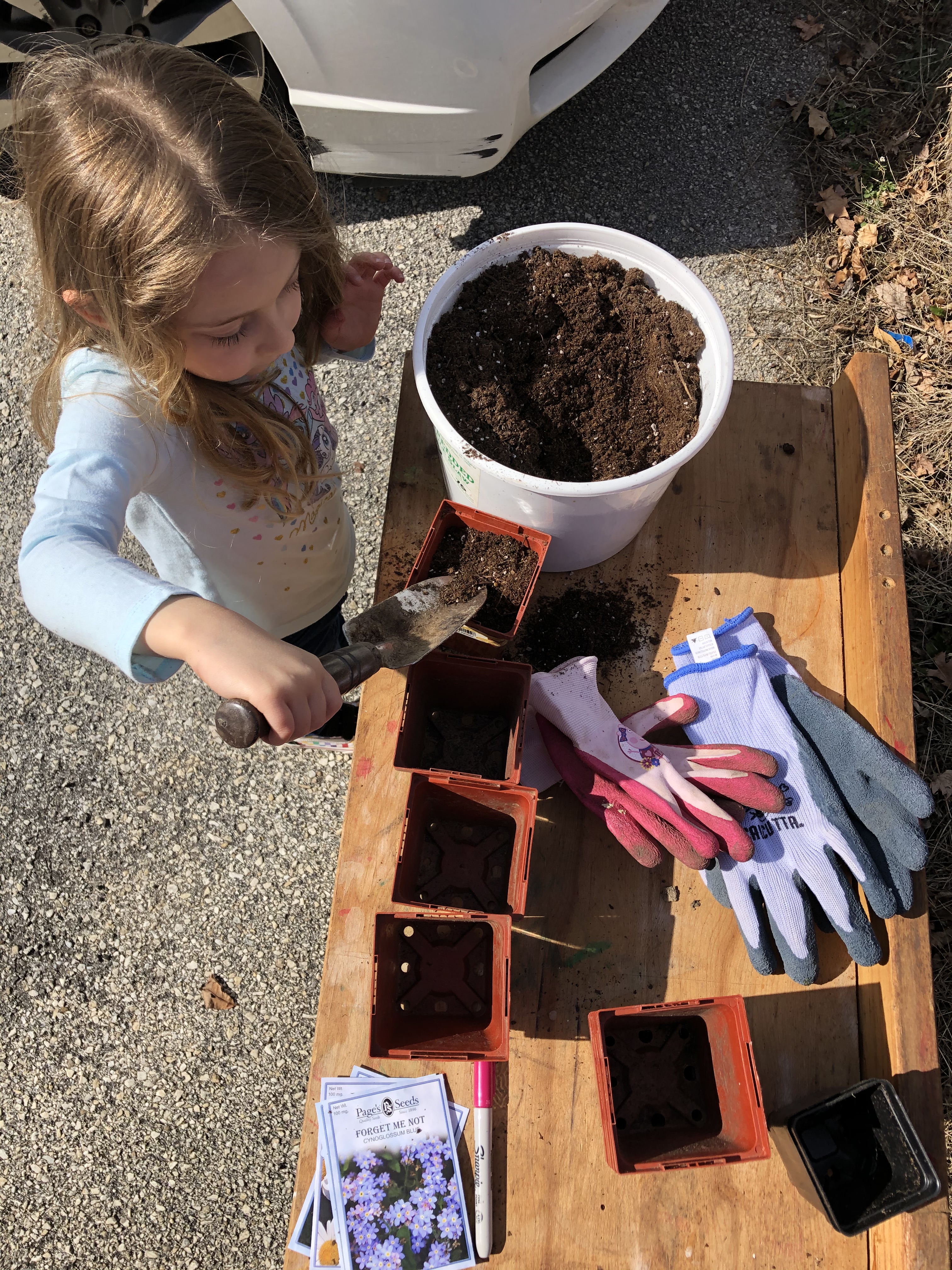
One of our big events at the beginning of the virus was gardening. Amelia’s great grandmother had given her a few packets of flower seeds, so we started with those.

First, we went over a few online lessons about plants and seeds, since that’s a pretty popular lesson in Pre-K. We started with Scholastic, which had a whole lesson created for teachers. Then we watched a YouTube video or two and read a few books on how plants grow. One was Eric Carle’s The Tiny Seed.

Then it was time to plant the seeds. We had to order seed dirt from Amazon because, you know, quarantine. I would usually go to our township’s free dirt pile. You should definitely look into your township to see if they have a similar program. They collect our yard waste and then create the best soil out of it. The only catch? You have to go with buckets and shovel it yourself.

Of course, Amelia really enjoys shoveling dirt into her buckets while I fill mine, so it is usually a good time.

But this time we used store-bought dirt, and it was really great. We talked about the whole process as we planted them, looked up how often to water them, and waited.

And waited.

And waited.

IMG_1696

There are many reasons gardening can be a positive experience for kids. Rasmussen College lists moderate exercise, healthier eating habits, stress relief and an early awareness of STEM development as a few.

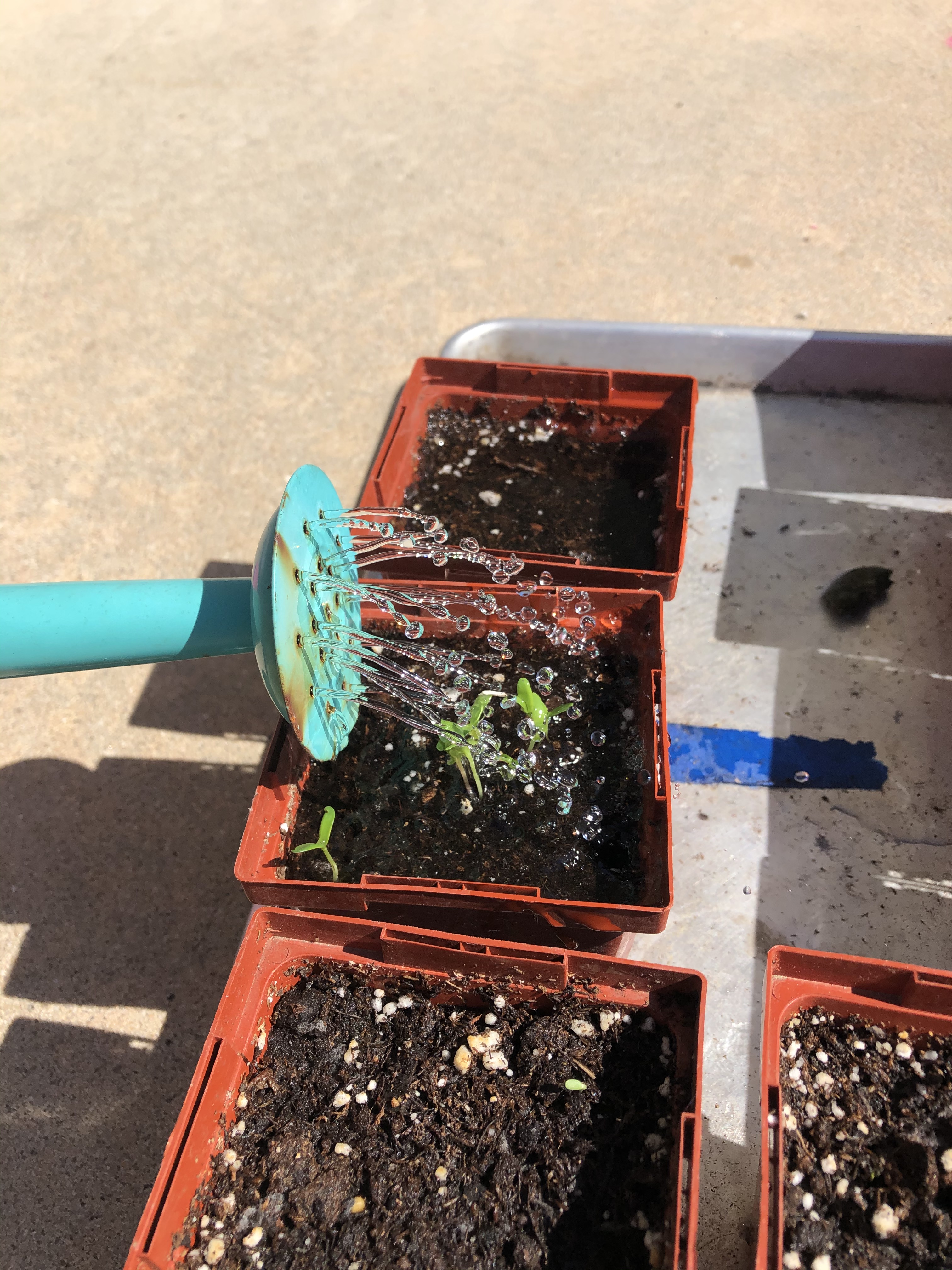
We finally started seeing buds, and practiced using rulers and writing numbers as they grew, recording their growth as they progressed. Eventually, a friend gave us a ton of vegetable seeds (she is a self-proclaimed over-buyer of seeds, which worked out great for us) and we planted zucchini, pickle cucumbers, string beans, tomatoes and sweet peppers.

We learned how often to water them and made a daily routine of taking care of our garden. It was a great mental break from everything going on.

Eventually, we plotted out a veggie garden and transplanted them outside. For a while we had so many zucchini that we had to start giving them to neighbors. Amelia LOVES zucchini, especially grilled, but even she was over it after a while. Maybe I’ll share our recipe for grilled zucchini in a future post.

IMG_1873

We had so many flowers grow that our small gardens are overflowing with flowers at this point. But the lesson was extended over a period of months because of the growth of the plants, taking care of them, and then harvesting either veggies or seeds for next year.

Of course, this would also work indoors, especially with flowers. Amazon has pretty cheap seeds, but be careful where you order them from. It’s always good to make sure they will be at your house within a week or so, especially with that whole seed scam going on right now.

Overall, I found this lesson enjoyable because I like gardening, and she learned a lot about plants. Plus whenever we are outside she runs to our string bean plant, pulls a few off, washes them and eats them raw. She loves it.

IMG_1874