Creating a Lego Maze

Creating a Lego maze is a great little lesson involving STEM learning and motor skills.


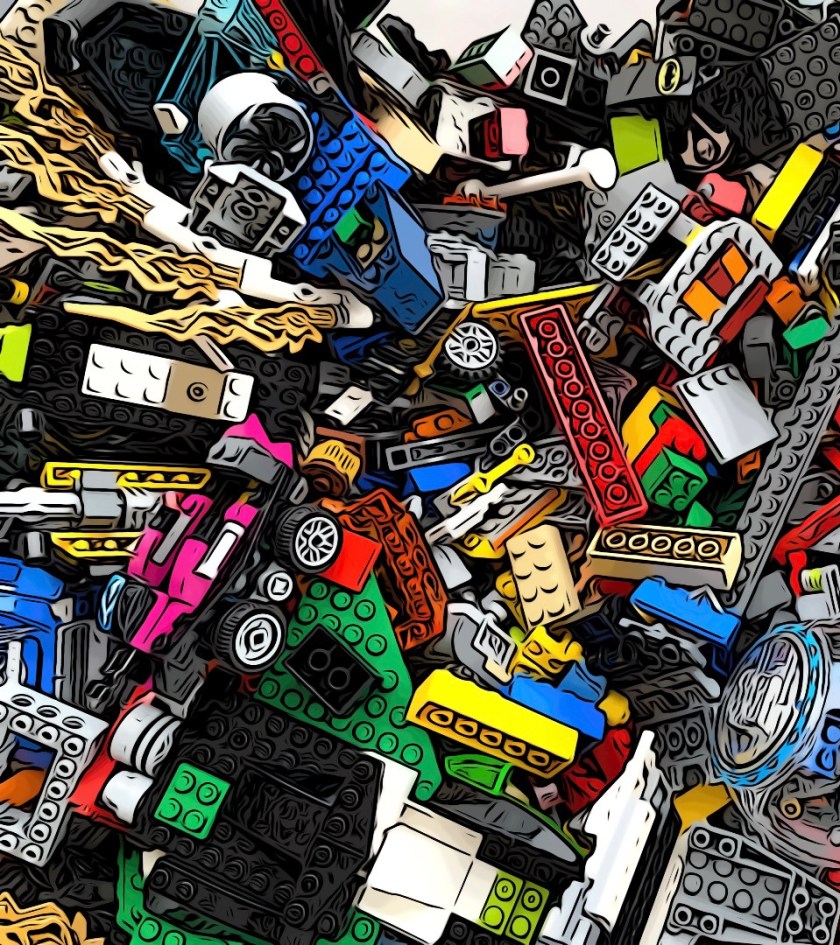
Do you have a bunch of Lego sitting around? How about a big green baseplate? (Baseplates are the large, flat pieces you build big sets on).

We are a Lego family, so it’s normal for us to have Lego in boxes all over the place. If you aren’t, Dollar Tree has some off-brand ones you can grab.

Lego was coming up with little lesson plans last April when things went South pandemic-wise, and one inspired us to create a maze using Lego bricks and a marble. Amelia and I both did it, and then when her cousins came over we all made one.
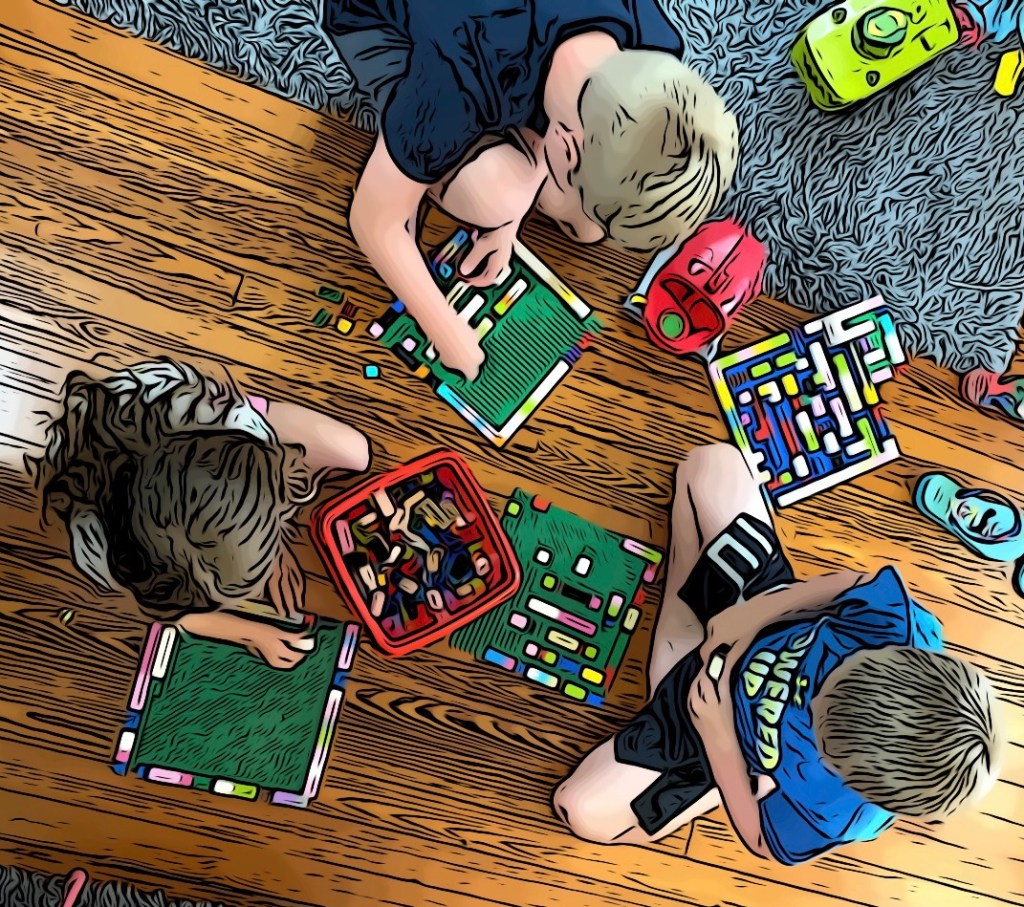
It’s simple: make a maze out of Lego bricks by placing them strategically on a baseplate. This pushed Amelia in many new ways, such as trial and error. She started putting the pieces too close for the marble to fit, so I had her test it. When the marble wouldn’t fit, she realized she had to make more space.

Then it’s about reaction and motor skills. Once we were done, we had to test our mazes, and see how hard they were, if the marble would fit everywhere, and if we remembered to make a path from the entrance to the exit.

Amelia LOVES mazes, so creating one was fun for her. She worked on motor skills, STEM skills, and we had a lot of fun. I highly recommend this one!

If you need help or inspiration, here is a video on how to do it:

Going to Collage

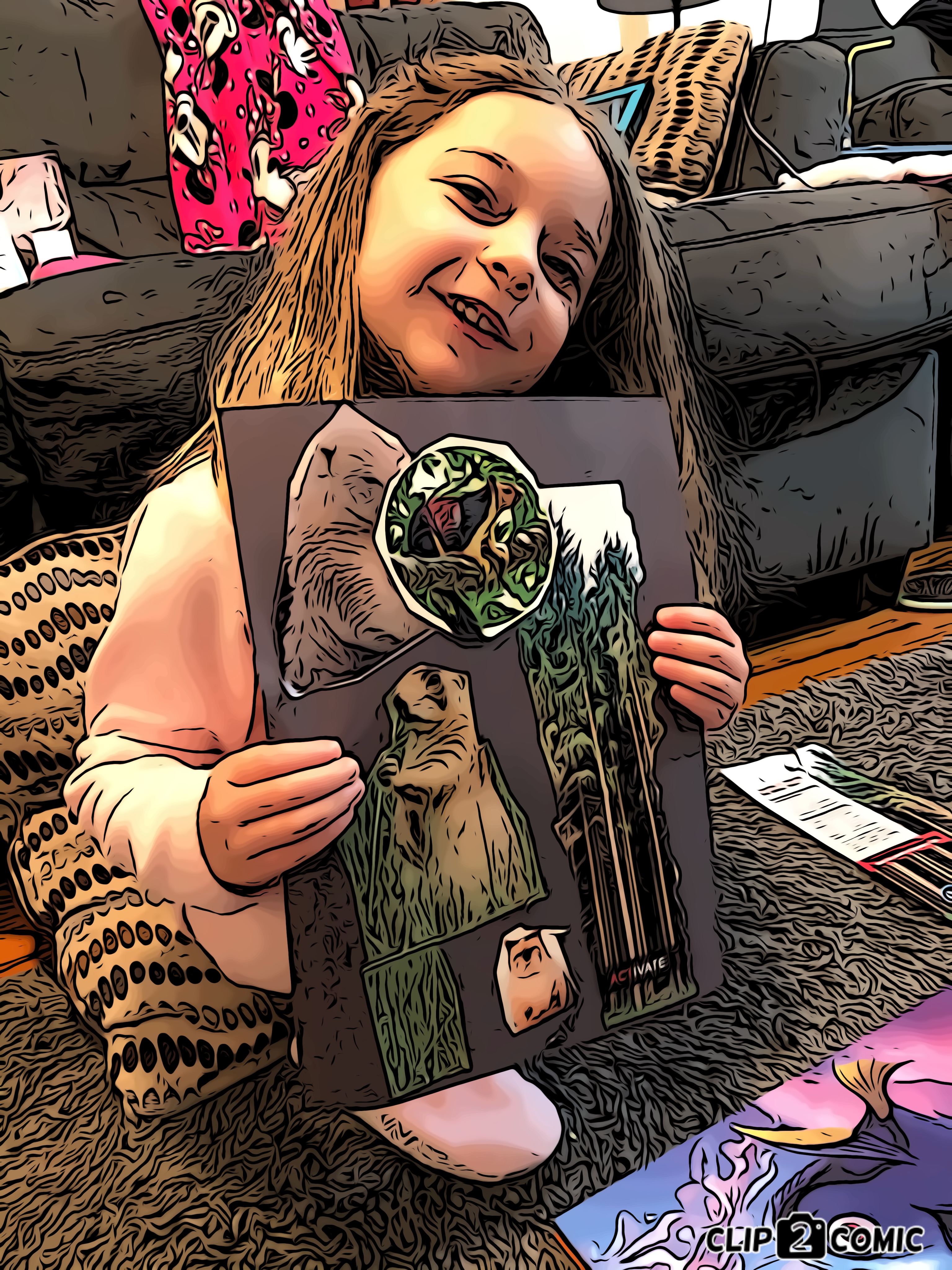
No, that’s not a misspelled word, considering Amelia is only five. I spent some time with her creating collages from old magazines, National Geographic to be exact, and it was a great little lesson for our pod of one.

Amelia’s Grammy gave us a huge stack of old National Geographic magazines before the virus struck, so we used them. We’d already looked at them a bunch of times, and they were ready to be used in a craft.

First off, it was great practice for scissor safety and motor skills. We watched a few videos on scissor safety before the lesson, which were review for her since she learned it in preschool. But as we all know, it’s better to repeat the lessons from school, because repetition supports what they learn. We discussed handing off scissors to others, walking with scissors, and how to use them safely.

According to Pathways.org, motor skills are important because they are used “everyday throughout our lives. They help us move and do everything from lifting heavy items to typing on a keyboard. Motor skills and motor control begin developing after birth, and will progress as children grow. Having good motor control also helps children explore the world around them, which can help with many other areas of development.”

I know this is something that will be reinforced in kindergarten, so I figured we could practice cutting. At one point, Amelia’s teacher said she could use a little more work on motor skill development, which surprised me. We are a LEGO family, and Amelia helps me put sets together all of the time. I would think putting those tiny Lego pieces together exhibit excellent motor skills.

So I told Amelia we were making a collage, and she wanted to know what one was. I explained the basic idea to her. We were going to find pictures we liked in the magazine, cut them out, and then glue them onto a piece of paper wherever we wanted. She loved the idea so we got started.

I found a nice background and started with that. It was a two-page spread of shells, and I thought it would make a great background. Then I started cutting out animals and people to stick on top.

Amelia went the other route. She cut out all of the cutest animals she could find and started gluing them wherever she wanted.

In the end, we had fun. Who wouldn’t when scissors and glue sticks are involved, right? Amelia was quite proud of her project. We’ve practiced with scissors in many other lessons since then, but this was the first. We should probably create some collages again soon.

IMG_3656