The Science of Colors

Amelia and I open up a science kit and explore colors.

To continue our science obsession, I pulled out a fun science kit I picked up at a yard sale. I was going to choose one of the projects it came with, but after Amelia really enjoyed mixing white and red to make pink with our crystal project, I figured I would continue with that theme.

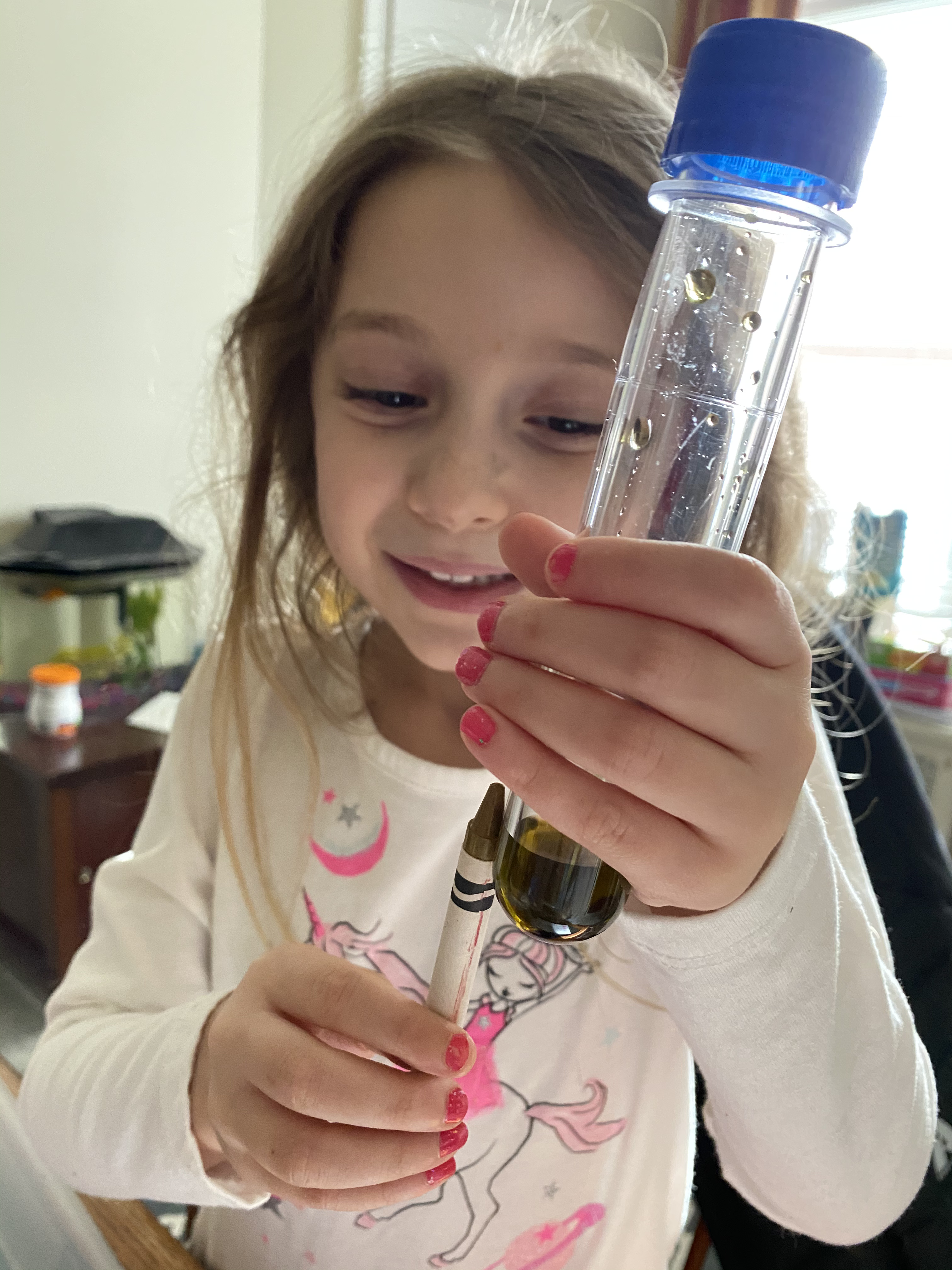
The kit I have came with a collection of kid-safe test tubes, droppers and other scientific items. So I grabbed some water, food dye of the primary colors and small bowls.

I had Amelia add two drops of each color to the bowls.
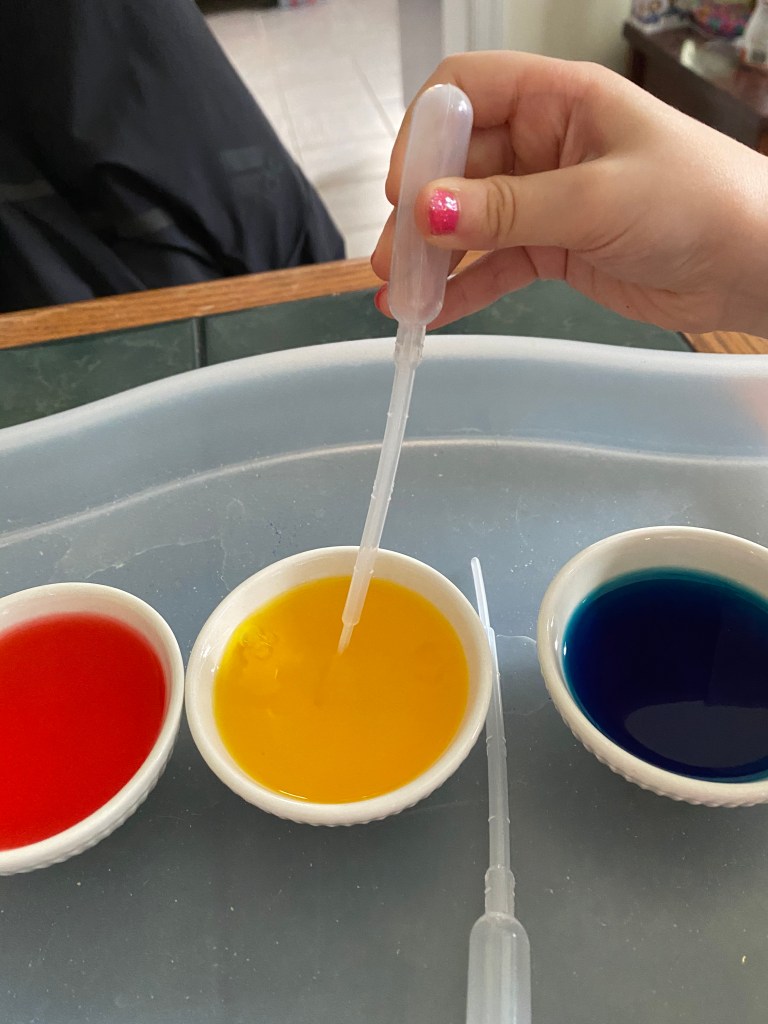
Even though she knows the color combinations from school, we started our experiment by drawing a grid that she filled out as we went along. At first it was simple, so we checked out what red plus yellow made, and yellow and blue, and so on.

I drew out circles so that she could record the results, which she also enjoyed because she felt like she was performing a real scientific study.
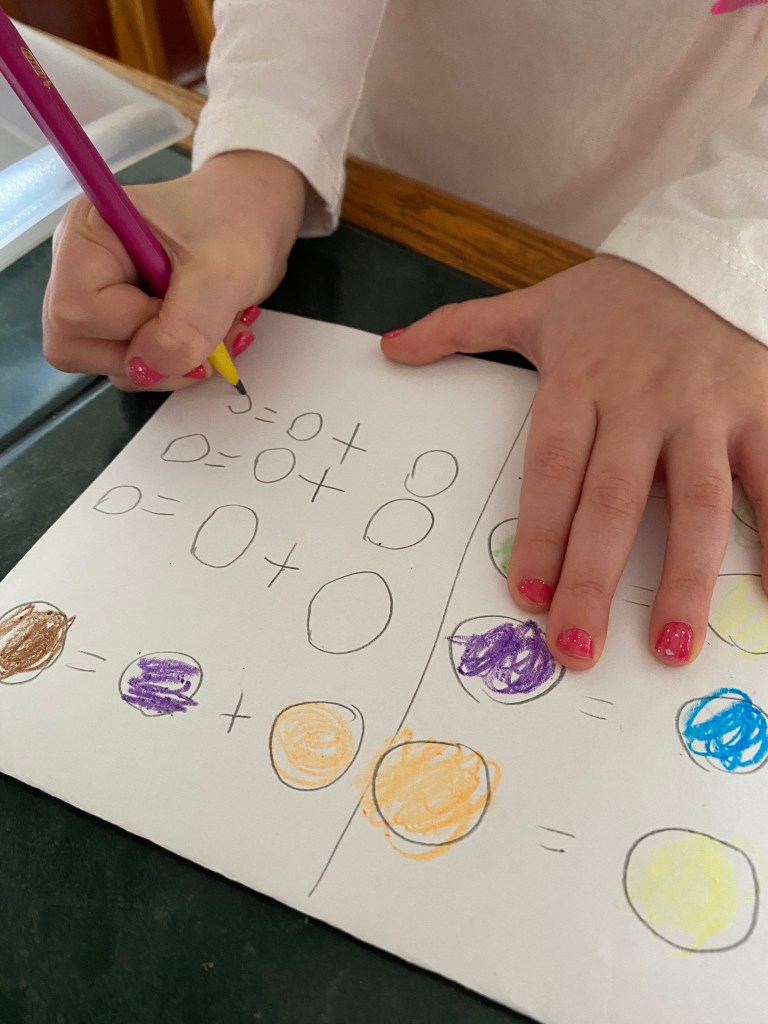
The grid we created to record our results.

I have to say it was a lot of fun for both of us. Amelia got such a kick out of using the test tubes and droppers.

As you can see on the grid, eventually we started mixing the new colors (secondary colors) with others to see what would happen. To be honest, most of them made a greenish-brown color. We tried to match the colors up with her Crayola Crayons as close as we could.

The bottom line is Amelia got some experience using the lab tools, and she quickly (after a minor spill) learned the importance of being careful along with proper care of the equipment. Mixing the colors proved what she had been taught in school, that yellow and blue make green, and so on. She thought that was pretty cool. It’s always good to find ways to reinforce the lessons kids learn in school.

Walden University perfectly summarizes the importance of science in the classroom . “…there are individual benefits to learning science, such as developing our ability to ask questions, collect information, organize and test our ideas, solve problems, and apply what we learn. Even more, science offers a powerful platform for building confidence, developing communication skills, and making sense of the world around us—a world that is increasingly shaped by science and technology.”

I saw a lot of this in our science experiments this week, although Amelia’s favorite part was definitely using the test tubes. My favorite was at the end when she said “Daddy, I think I want to be a scientist.” How cool is that?

SOUND OFF: What are some projects you have used with your kids that involve mixing colors? Let us know in the comments. Amelia and I are always looking for new projects.

Food Coloring Flowers

We had a really cool project that just requires white flowers and food coloring.

On one of our many walks, Amelia and I collected flowers from a tree at the playground. Ours had the tiniest of pink pigment, so they weren’t perfect, but give me a break. We were in the middle of a full quarantine!

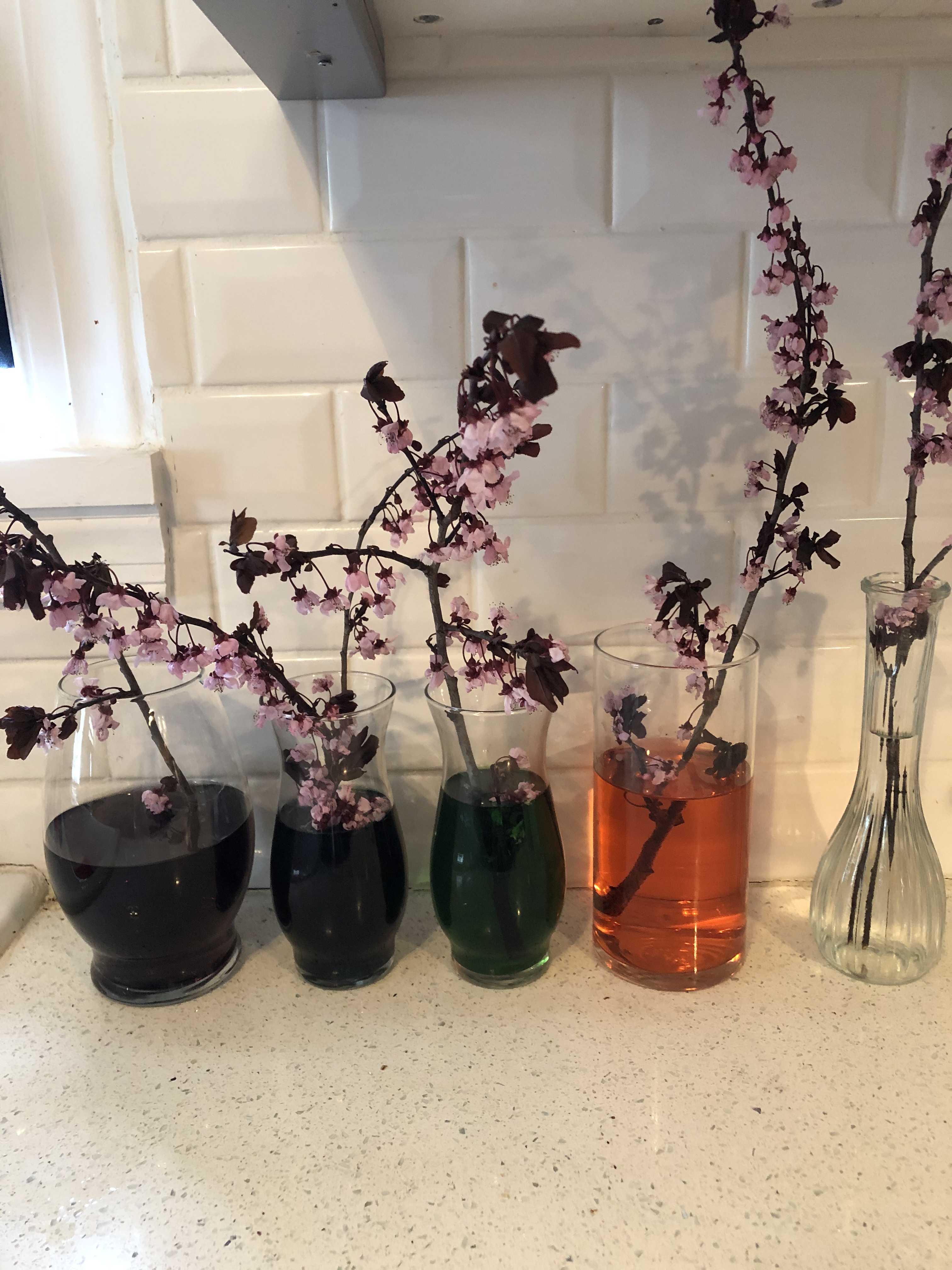
Then, we added food coloring and watched the flowers slowly change colors.

This was a GREAT project we had seen a friend do and decided to mimic. First we learned a bit about plants. Scholastic helped us out with that again. We reread From Seed to Plant and learned all about how plants grow and how they drink water.

Then I asked her, if a flower drinks blue water, will it turn blue?

She scrunched her nose in thought, and eventually decided that no, it would not.

I asked if we would turn blue if we drank blue water. She answered with a confident “no!” and I wondered why.

“Because mommy drinks that brown drink [coffee] every morning and hasn’t started changing color…”

Touché, Amelia.

So we added different colors, all of her choice, to water and put a flower or two in each one.

IMG_1913

After a little while, they did start to change color. She was really surprised, and I was just glad the project worked.

If you want to do the project, it’s pretty much as easy as putting white flowers into water with food coloring, and then exercising patience. But they MUST be white. Ours had the tiniest bit of pink, which made it less obvious.

Here is a video that will help:

This is a really fun activity that everyone can enjoy. For older kids, you can discuss why and how it happens. For younger ones, it’s about how plants grow and the fun of seeing them change color.

And if you want to explain how it happens, Go Science Girls has a great explanation.

Either way, it’s a great project that is simple and takes items you probably have around the house (or neighborhood) anyway.

Homeschooling on a Budget

We are not especially wealthy, especially since I lost my job to COVID-19. We live on a budget, now more than ever. When school closed and I became a stay-at-home dad/home school teacher/tutor/disciplinarian, things changed rather dramatically, as they did for everyone.

My daughter needed me to help her, and I wanted to. We started daily lesson plans, some of which I have already described on here, and others are yet to come. What made this easier is that I’d been accidentally planning for this for the past year without even knowing it.

I’ve gotten very good at finding bargains over the years, and I buy for the future. I call it taking care of “future us”. I thought for a different kind of post today, I would share how I do all of this on a budget.

Clearance Sales are Key

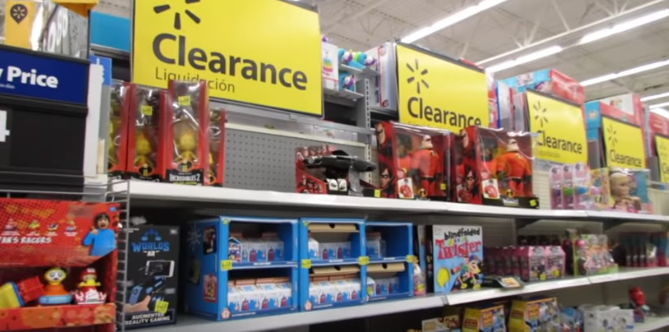
I always search the clearance sales at Target, Walmart and other stores. Both Target and Walmart have a decent sales section, but sometimes clearance is mixed in with the regular items. It helps to have the store’s app to scan items when you see that they are on clearance. Sometimes you find that they’re even cheaper than marked! Plus, it’s easier than finding one of the store scanners and using it over and over.

Both stores have a massive clearance sale around this time of year (August). Walmart recently put almost their whole toy and craft inventory at 70% off. Last week I got a shopping cart full of STEM projects, craft items and more for less than $100 and they will last us quite a long time.

I follow a few Facebook pages that share clearance sales at Walmart and Target. They will send out posts and shoppers share deals and when things are on sale.

Screen Shot 2020-08-16 at 6.42.05 PM

Your Local Dollar Store

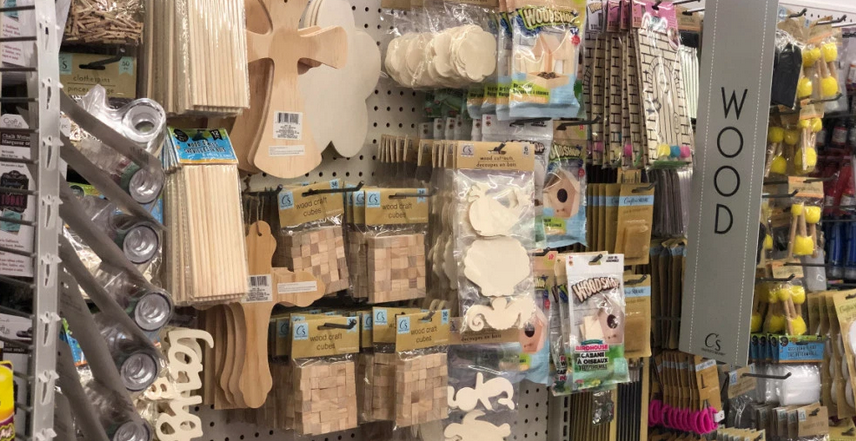
The dollar store is an especially great place to pick up crafting supplies. Our good local one is Dollar Tree. I highly recommend checking their aisles carefully, especially the craft aisle. Ours recently added a great wood craft section and we even got some 3-D unicorns and dinosaurs we could paint. They have rainbow popsicle sticks, foam paper, coloring books, and even have a decent supply of workbooks for elementary school-aged students.

Screen Shot 2020-08-16 at 6.39.07 PM

Yard Sales and Flea Markets

COVID-19 has basically put a stop to garage sales right now, but I’ve been going to them for years and they are an easy way to add things to your home school pod. Simple items like sets of blocks and other building toys can be $1 or so, and even brand new crafting sets, STEM sets and more can be $1-3. Totally worth it, but they are hit or miss, so it can be a bit of a commitment.

I highly recommend hitting community yard sales. These usually have 10-20 houses selling items, and while you will have a few homes where there’s nothing useful, you’ll find others where you get a couple hundred dollars worth of materials, kits and games for $20.

Screen Shot 2020-08-16 at 6.44.51 PM

Facebook Marketplace

This is another good place to keep an eye out. Many people sell items here yard-sale style, but they will usually be a little bit more. I’ve gotten great deals on brand new items and craft supplies on Marketplace. Always check the toy section on here for great crafting and STEM kits.

Buy Nothing

Buy Nothing groups on Facebook are pretty amazing. Join the one in your local community and you can gift items you no longer want to someone in your neighborhood. They are sectioned off by town, so you know everyone who posts is fairly close to you. My town is pretty small, so I’ve never driven more then six or seven minutes to pick something up.

People post everything from household goods to toys and crafts, and I’ve gotten our little pod lots of great little additions thanks to it. Find your local Buy Nothing if you want to join through Facebook.

Amazon

Amazon has amazing clearance sales sometimes, but the problem is finding out about them. There are many Facebook groups that help watch for sales, similar to the ones I mentioned for Walmart and Target. Deals & Steals is a good one that focuses on children a bit more than most. There’s also this glitches group and a deals group you may want to follow. They post cheap deals on Amazon, and this was the major way we bought items that kept the whole family busy during the quarantine part of the virus.


So there you have it. This is how I’ve survived the pandemic with a wealth of DIY kits, crafting supplies, STEM toys and more. I’ve been doing this for a few years, and I’m glad to share my experiences.

Do you know another way to bargain your way into a cheaper home school? I’d love to hear about it. Let me know in the comments.