Growing Crystals

Amelia creates her own crystals for the first time and the final crystals are AWESOME.

Last week, Amelia and I decided to focus on science. We started with a crystal kit. Yes, the kit is listed as 10 years old and up, but I figured we could handle it. The boiling water was probably the reason for this, so make sure you help any kiddo under ten.

It was pretty simple. We had to boil water and measure it out. Then we added chemicals to the boiled water and stirred.
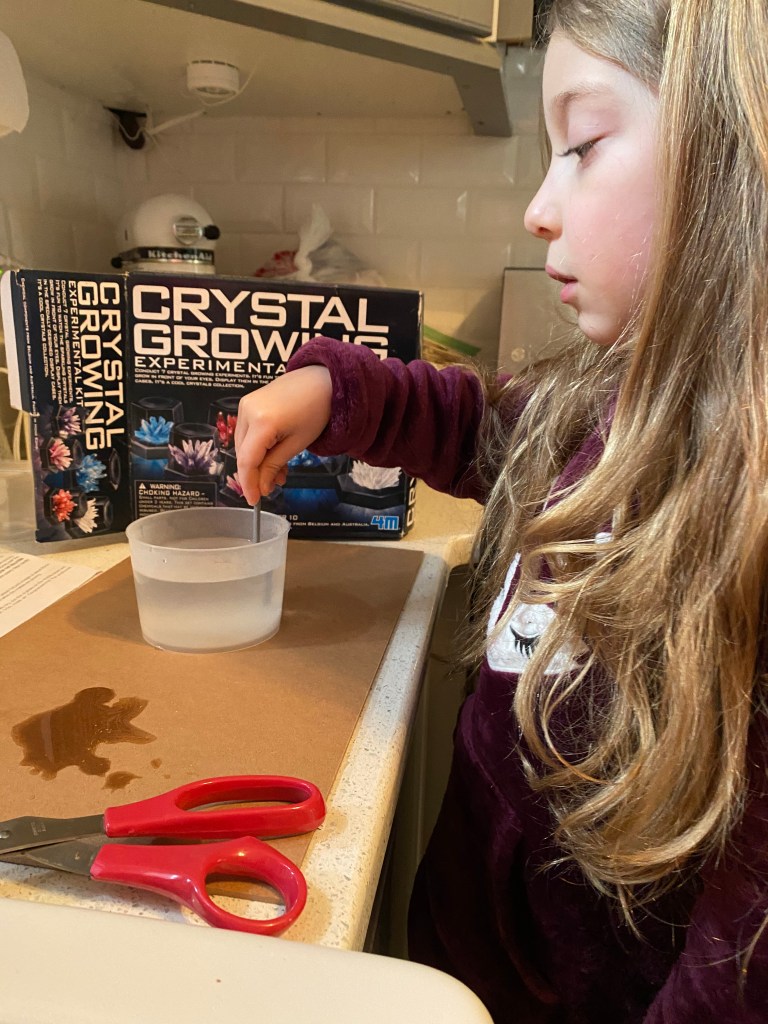
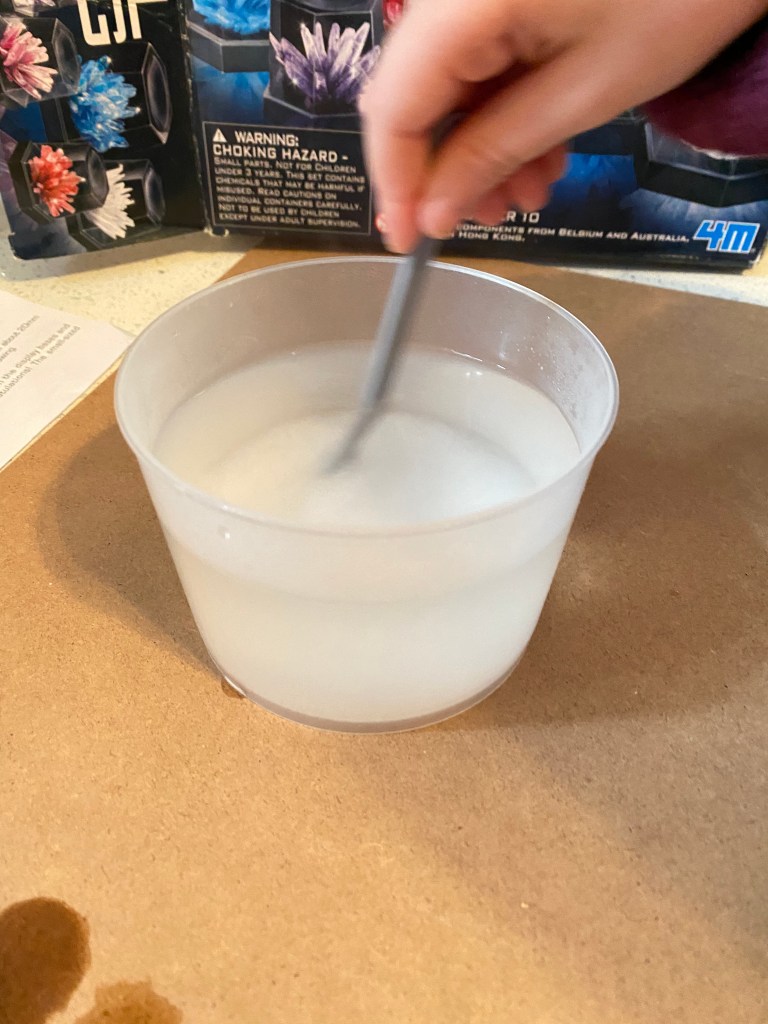
After that, we had to let it cool a bit. Then we added it to smaller cups, where the crystals would grow. The next step was to choose colors. Of course, Amelia wanted pink. So she made one pink, one white (because to make pink we had to add powder that was red and white) and I got to choose the third color. I chose red since we were already using it for the pink.

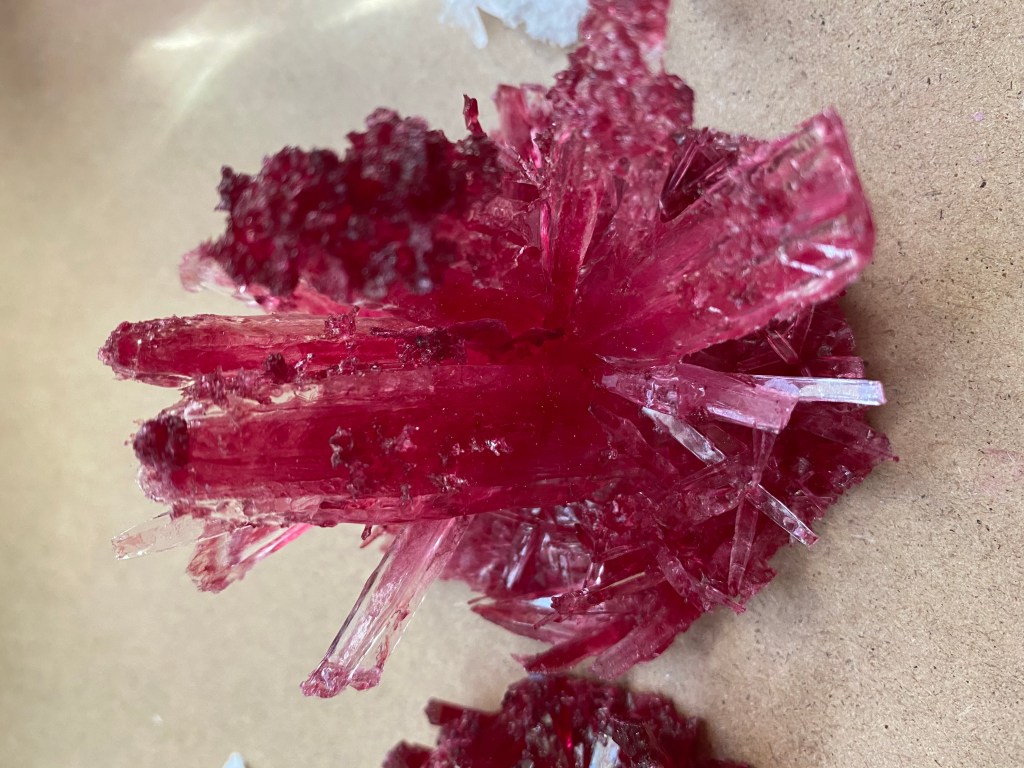
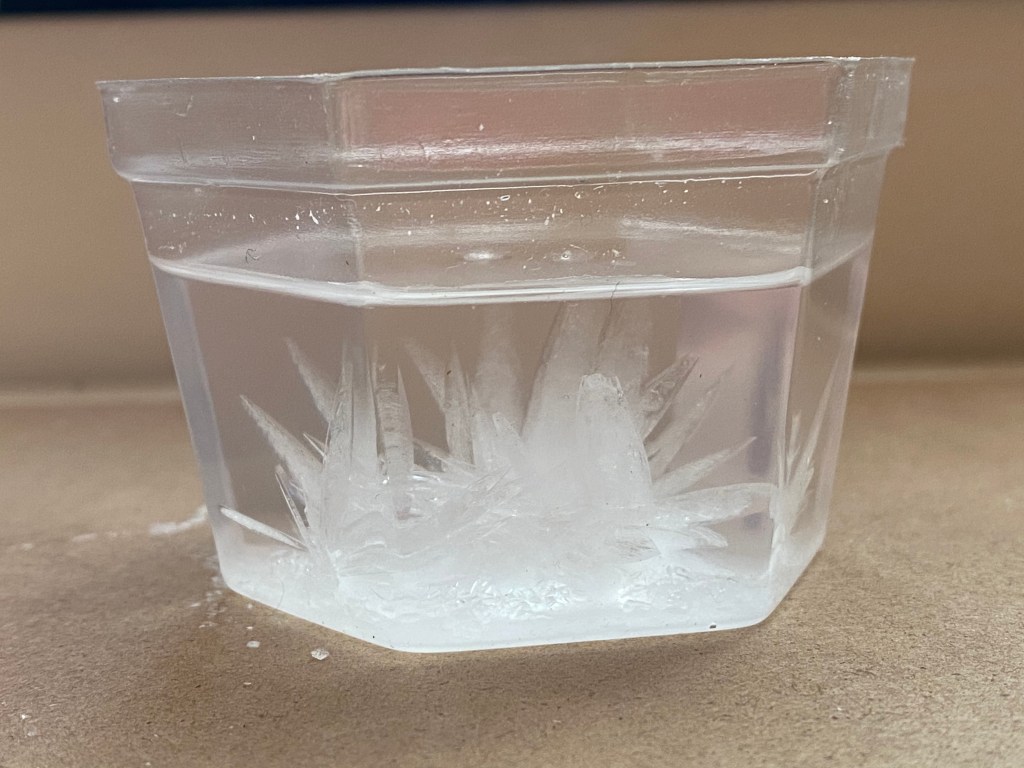
Now we just had to wait. Surprisingly, by the next morning we already had this:
And this, which is harder to see because it’s Amelia’s pink one:
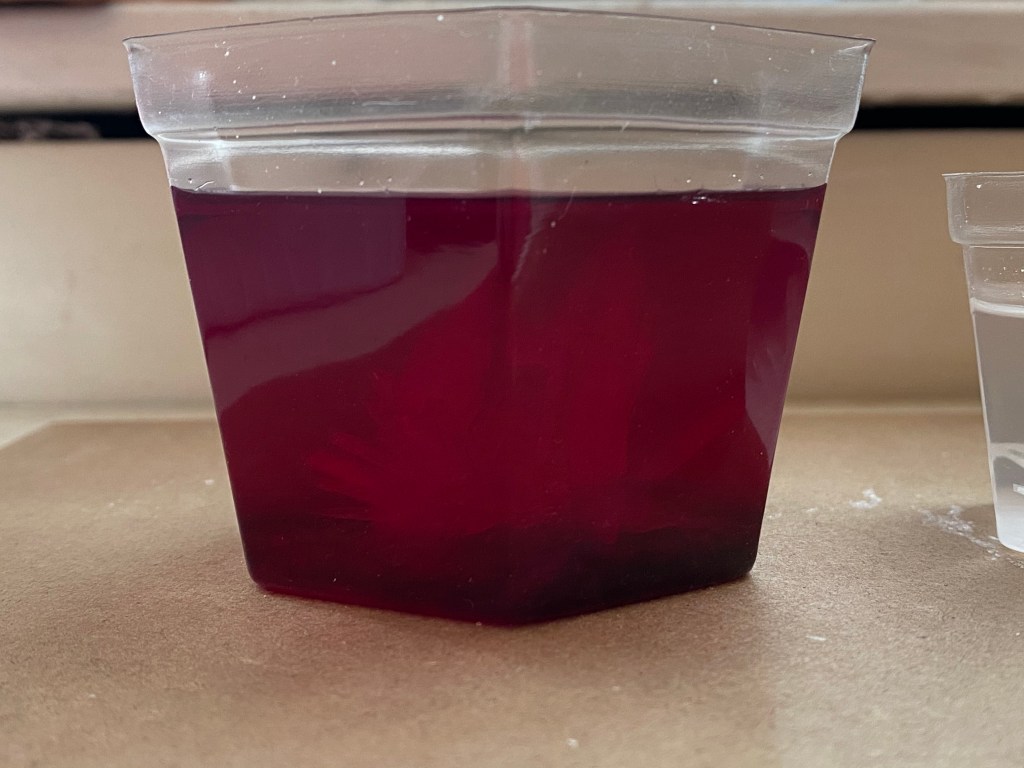
Two days later, the crystal started to grow out of the cups. After some research, this is when we should have carefully dumped the chemicals out. We didn’t, so they got a little mutated:
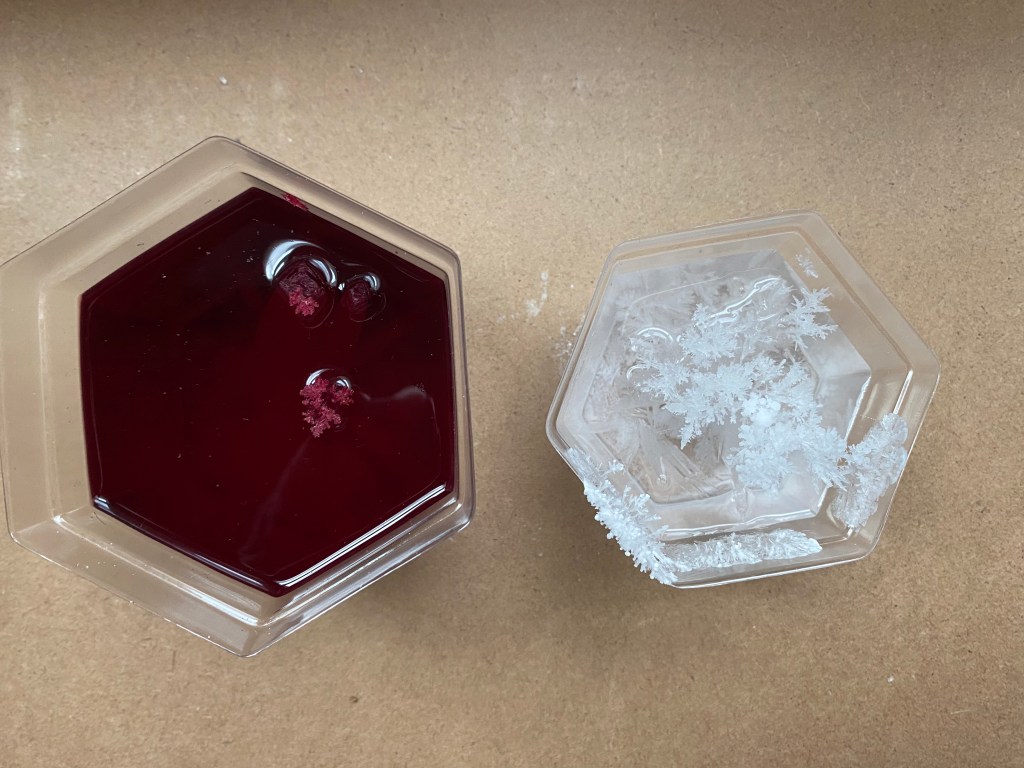
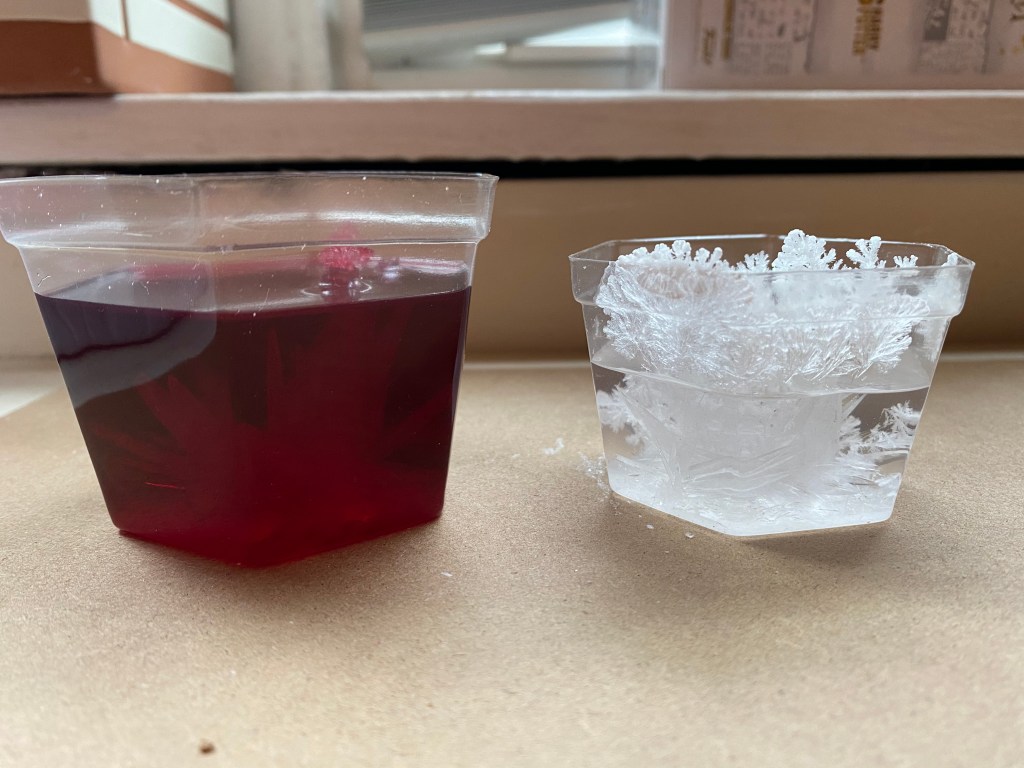
You can see, from the first group of photos to the second, that they started to look a little bit like coral.

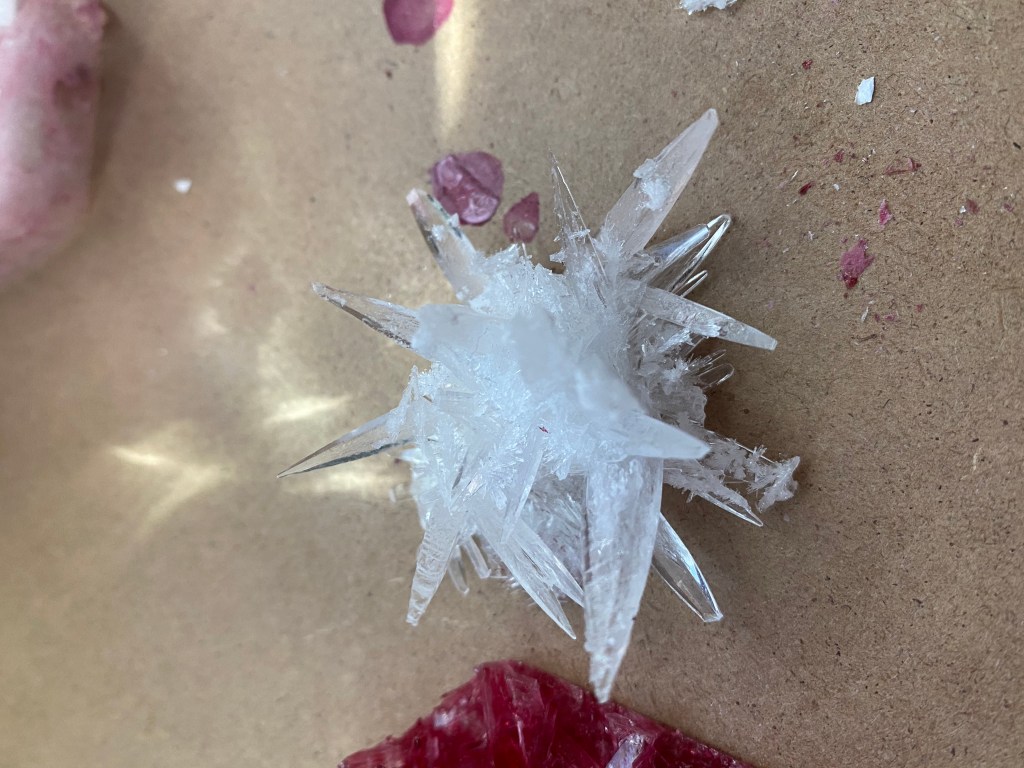
Eventually, we dumped out the liquid (and my fingers became a bit stained pink for a few days). But the final product was very cool, considering it was our first time growing them.
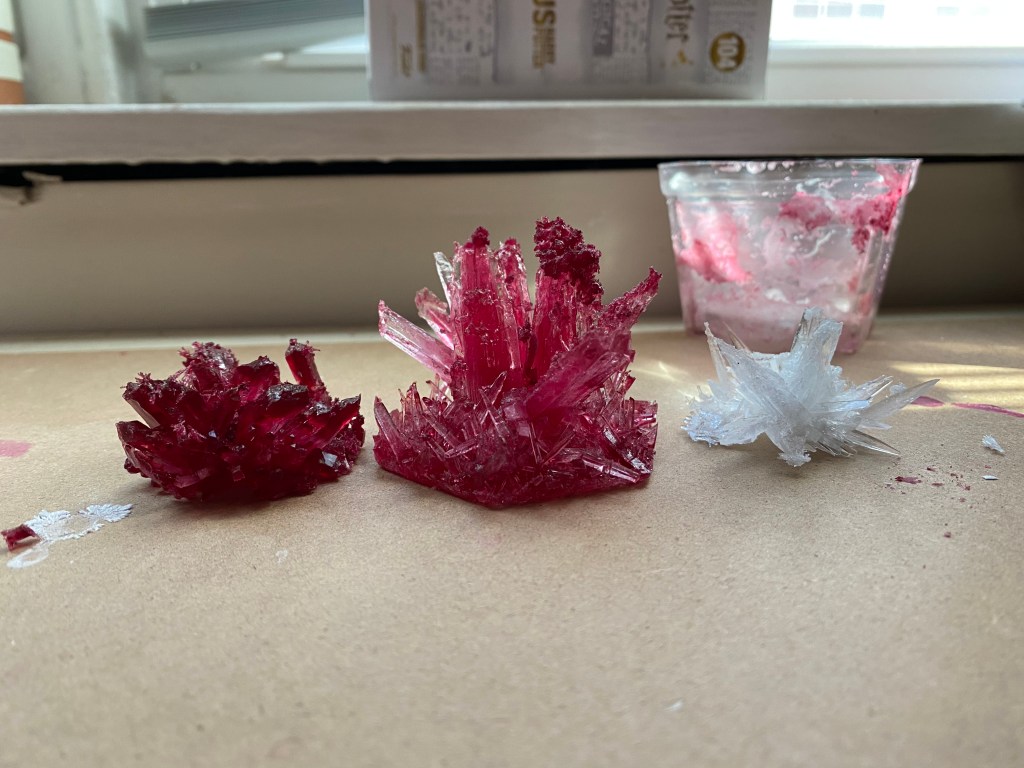
We wanted to know how and why this happens, so we watched this video:

I also wish I saw this project first. Childhood 101 has a really cool project that is similar, but uses pipe cleaners shaped like hearts. I absolutely love this project and am hoping to do this one with Amelia. I think she will love it. Here is a photo of their final project:
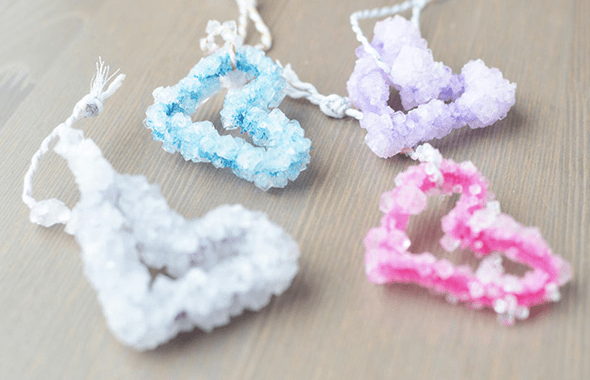
What did we learn from this project? Measuring. We had to carefully measure the water and the chemicals that created the color. We could have also measured the crystals as they grew, and figured out their growth rate. We also had to exercise patience, knowing that the crystal would grow slowly. Honestly, I was surprised at how quickly the crystals grew. I thought it would be days before we saw any action, but after ten hours there was already a bit of formation.

Overall, we had a last and got some really cool crystals we made ourselves. I thought the white one turned out the coolest, personally. Amelia loved her pink one. Next time we will be creating the heart-shaped ones.
Creating a Lego Maze

Creating a Lego maze is a great little lesson involving STEM learning and motor skills.


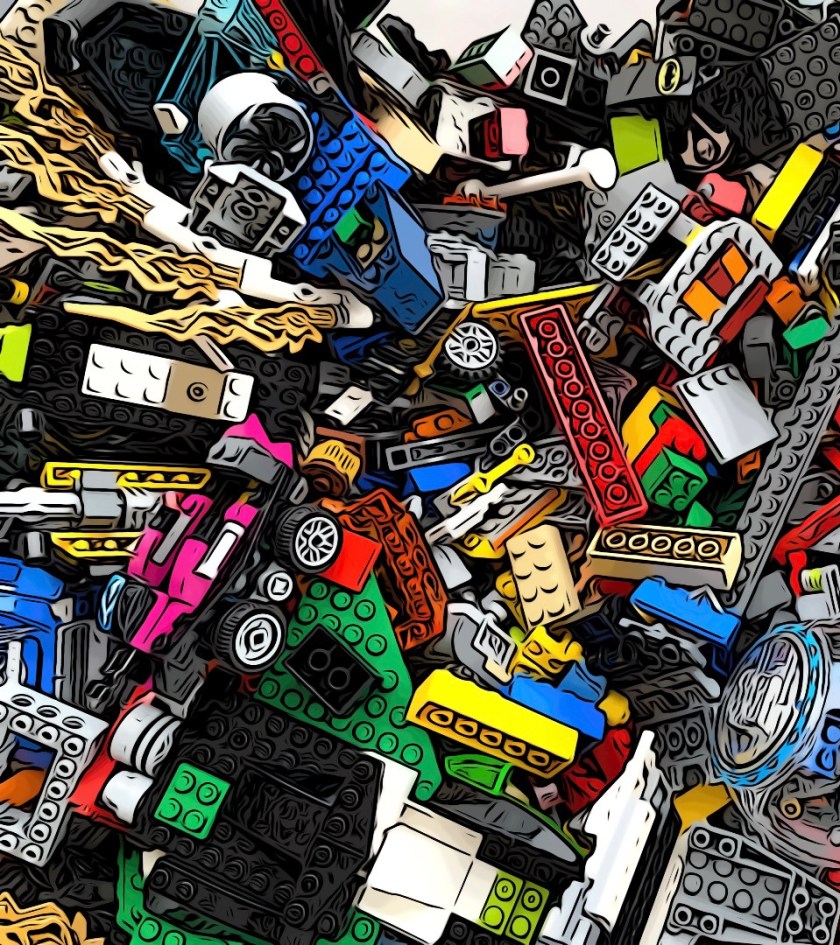
Do you have a bunch of Lego sitting around? How about a big green baseplate? (Baseplates are the large, flat pieces you build big sets on).

We are a Lego family, so it’s normal for us to have Lego in boxes all over the place. If you aren’t, Dollar Tree has some off-brand ones you can grab.

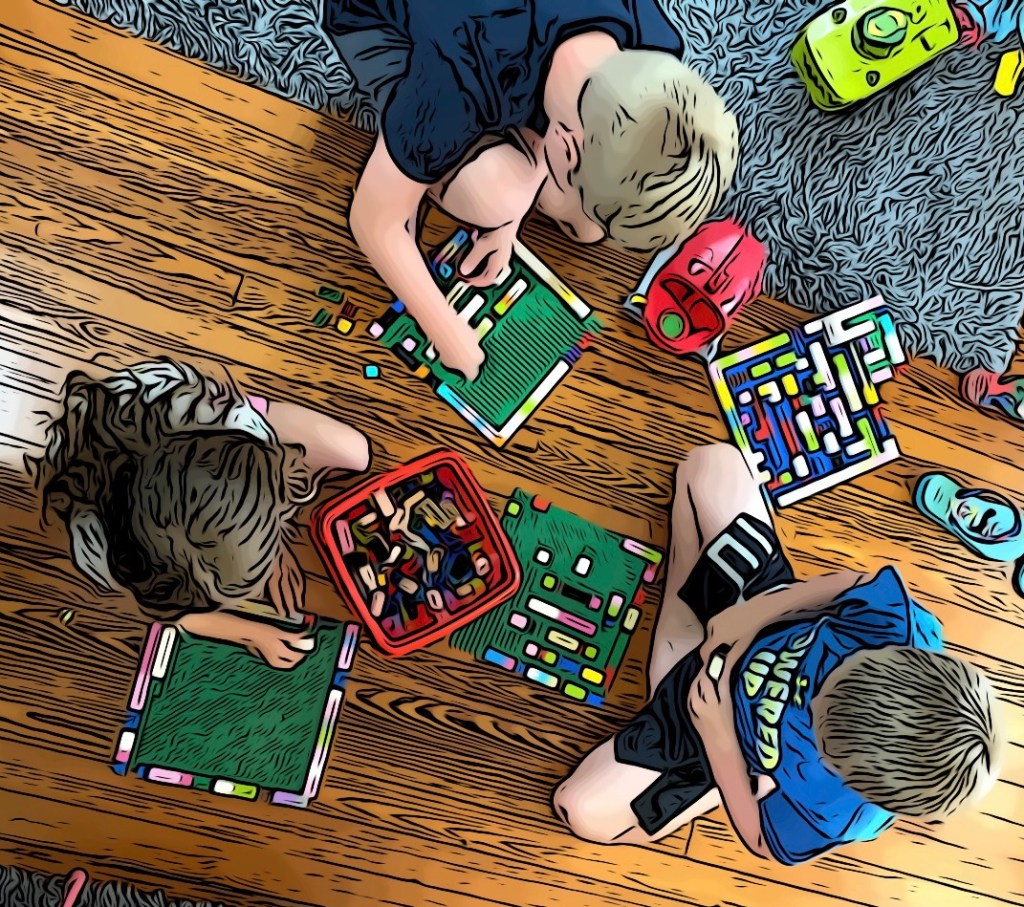
Lego was coming up with little lesson plans last April when things went South pandemic-wise, and one inspired us to create a maze using Lego bricks and a marble. Amelia and I both did it, and then when her cousins came over we all made one.

It’s simple: make a maze out of Lego bricks by placing them strategically on a baseplate. This pushed Amelia in many new ways, such as trial and error. She started putting the pieces too close for the marble to fit, so I had her test it. When the marble wouldn’t fit, she realized she had to make more space.

Then it’s about reaction and motor skills. Once we were done, we had to test our mazes, and see how hard they were, if the marble would fit everywhere, and if we remembered to make a path from the entrance to the exit.

Amelia LOVES mazes, so creating one was fun for her. She worked on motor skills, STEM skills, and we had a lot of fun. I highly recommend this one!

If you need help or inspiration, here is a video on how to do it:

Drawing with YouTube

Amelia and I both love drawing. It’s creative, fun, and we get to work together on the lesson. I started college out as an art major, so I never mind a fun drawing project.

One of our favorites is to watch a step-by-step video on how to draw something. We grab a box of markers and crayons, some books to lean on, and paper. We sit on the couch, bring up our favorite YouTube art instructor, and scan through the choices of lessons.

Sometimes what we draw is inspired by something else we are learning about that day, like ants. Other days I just ask Amelia what she would like to draw.

We have one YouTube drawing teacher that is our go to, Art for Kids Hub. The guy’s name is Rob, and he’s fantastic. He always has a kid drawing with him and teaches how to draw animals, toys and other things step-by-step.

He also makes sure to aim his lessons at varying ages. Some of the easier ones, like ice cream, are perfect for a kindergartner. He has others, like LOL dolls, for kids who are a bit older.

This is an excellent example of one for a younger child:

And there are others for older, more advanced artists:

He’s got it all. Whatever you are looking to learn to draw, he has probably done it. It’s always fun for us to draw our pictures in black marker and then color it in.

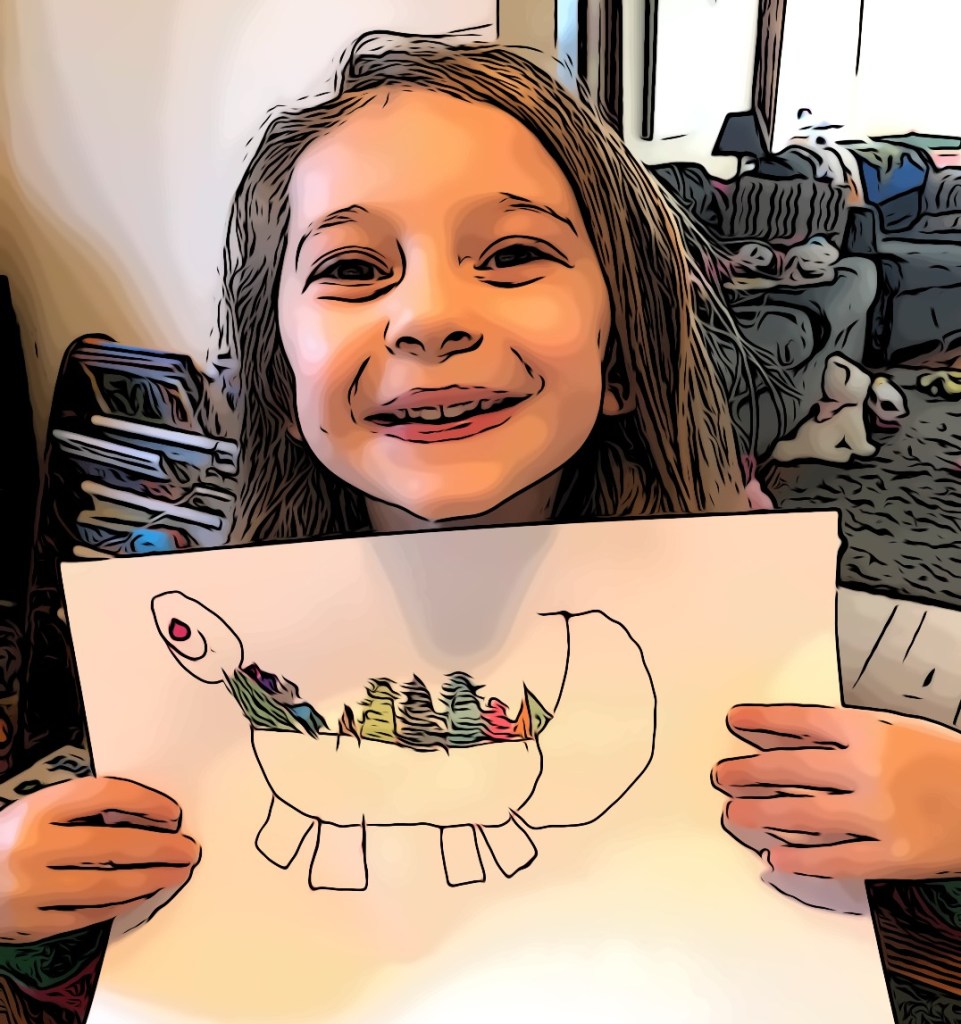
Amelia and her dinosaur.

Food Coloring Flowers

We had a really cool project that just requires white flowers and food coloring.

On one of our many walks, Amelia and I collected flowers from a tree at the playground. Ours had the tiniest of pink pigment, so they weren’t perfect, but give me a break. We were in the middle of a full quarantine!

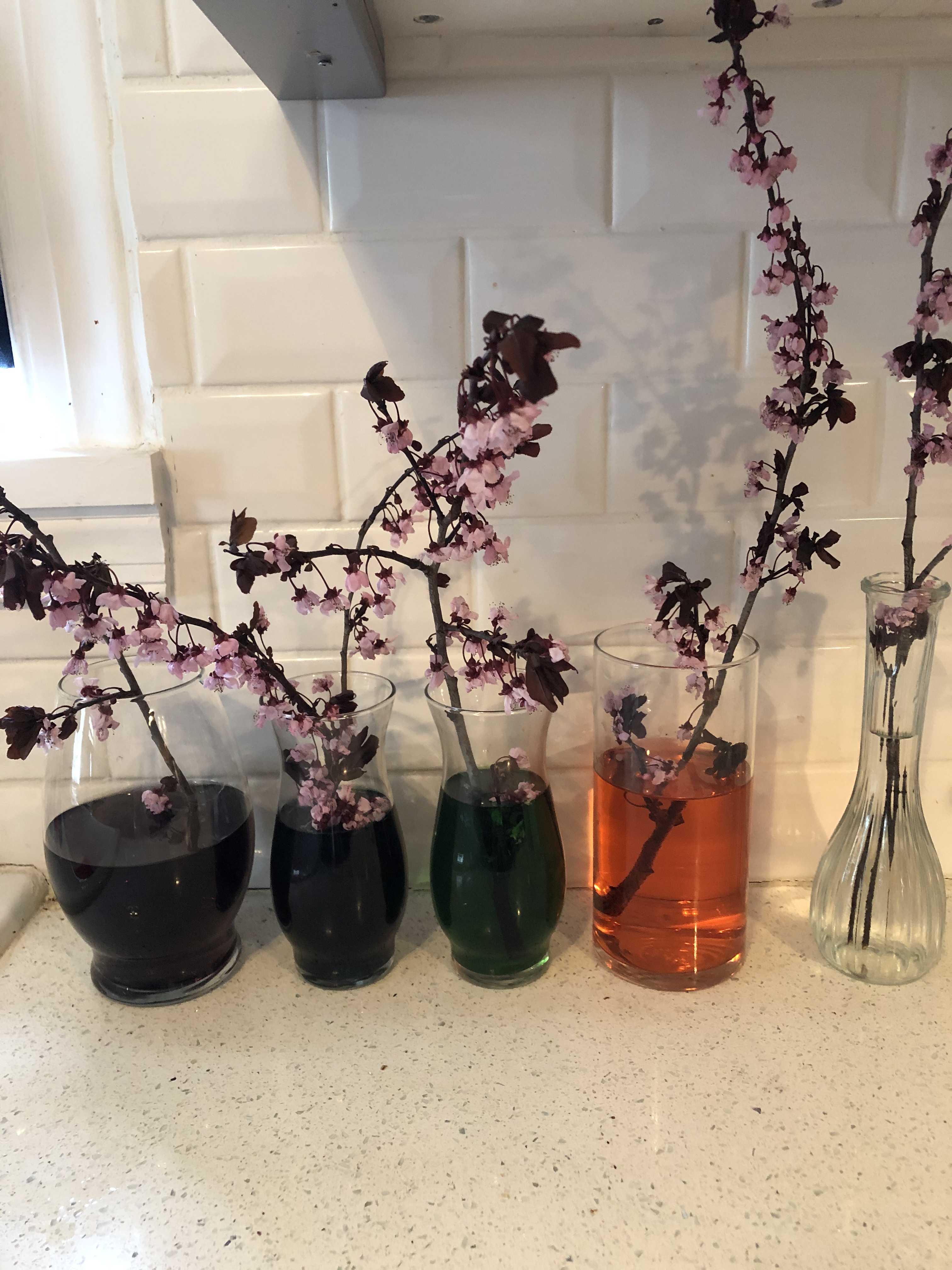
Then, we added food coloring and watched the flowers slowly change colors.

This was a GREAT project we had seen a friend do and decided to mimic. First we learned a bit about plants. Scholastic helped us out with that again. We reread From Seed to Plant and learned all about how plants grow and how they drink water.

Then I asked her, if a flower drinks blue water, will it turn blue?

She scrunched her nose in thought, and eventually decided that no, it would not.

I asked if we would turn blue if we drank blue water. She answered with a confident “no!” and I wondered why.

“Because mommy drinks that brown drink [coffee] every morning and hasn’t started changing color…”

Touché, Amelia.

So we added different colors, all of her choice, to water and put a flower or two in each one.

IMG_1913

After a little while, they did start to change color. She was really surprised, and I was just glad the project worked.

If you want to do the project, it’s pretty much as easy as putting white flowers into water with food coloring, and then exercising patience. But they MUST be white. Ours had the tiniest bit of pink, which made it less obvious.

Here is a video that will help:

This is a really fun activity that everyone can enjoy. For older kids, you can discuss why and how it happens. For younger ones, it’s about how plants grow and the fun of seeing them change color.

And if you want to explain how it happens, Go Science Girls has a great explanation.

Either way, it’s a great project that is simple and takes items you probably have around the house (or neighborhood) anyway.

Chalk Art

Anyone a fan of Mary Poppins? Okay, we aren’t exactly jumping into magical worlds through our chalk art on our sidewalk, but it’s been fun.

It started as a positivity thing. Everyone was tired of being stuck, and we saw the movement on social media of decorating sidewalks with kind messages to cheer everyone up. After all, our only escape from the home were our daily walks, and we took them daily, sometimes twice in a day.

We wrote nice messages, drew flowers, made happy faces, rainbows, whatever we felt like drawing. Amelia would tell me the nice messages she wanted me to write, and I would spell them out. Then she colored it in.

Now, even though less people are walking our neighborhood, we are still doing chalk art on the sidewalk a few times a week. It’s a fun art project, we listen to music and Amelia always greets everyone who walks by.

It’s especially cool to see how social she has become during all of this. She says hello to most people who walk by. This is a great opportunity for her to get a little bit of social time because our street seems to attract a decent number of pedestrians. Since March she has really only seen family.

We also discuss color names, what mixing two colors does, and other things. We’re also getting some great outdoor time in fresh air.

Mommy University says there are three major benefits of playing with sidewalk chalk: enhanced academic knowledge, improved fine motor skills and a greater appreciation for the arts.

If you are on a tight budget, the dollar store usually has a decent variety of sidewalk chalk.

And the beauty? There’s no clean-up…just let the next storm wash away the images. Then you can draw again on a fresh canvas. Sometimes even mommy joins us!

Going to Collage

No, that’s not a misspelled word, considering Amelia is only five. I spent some time with her creating collages from old magazines, National Geographic to be exact, and it was a great little lesson for our pod of one.

Amelia’s Grammy gave us a huge stack of old National Geographic magazines before the virus struck, so we used them. We’d already looked at them a bunch of times, and they were ready to be used in a craft.

First off, it was great practice for scissor safety and motor skills. We watched a few videos on scissor safety before the lesson, which were review for her since she learned it in preschool. But as we all know, it’s better to repeat the lessons from school, because repetition supports what they learn. We discussed handing off scissors to others, walking with scissors, and how to use them safely.

According to Pathways.org, motor skills are important because they are used “everyday throughout our lives. They help us move and do everything from lifting heavy items to typing on a keyboard. Motor skills and motor control begin developing after birth, and will progress as children grow. Having good motor control also helps children explore the world around them, which can help with many other areas of development.”

I know this is something that will be reinforced in kindergarten, so I figured we could practice cutting. At one point, Amelia’s teacher said she could use a little more work on motor skill development, which surprised me. We are a LEGO family, and Amelia helps me put sets together all of the time. I would think putting those tiny Lego pieces together exhibit excellent motor skills.

So I told Amelia we were making a collage, and she wanted to know what one was. I explained the basic idea to her. We were going to find pictures we liked in the magazine, cut them out, and then glue them onto a piece of paper wherever we wanted. She loved the idea so we got started.

I found a nice background and started with that. It was a two-page spread of shells, and I thought it would make a great background. Then I started cutting out animals and people to stick on top.

Amelia went the other route. She cut out all of the cutest animals she could find and started gluing them wherever she wanted.

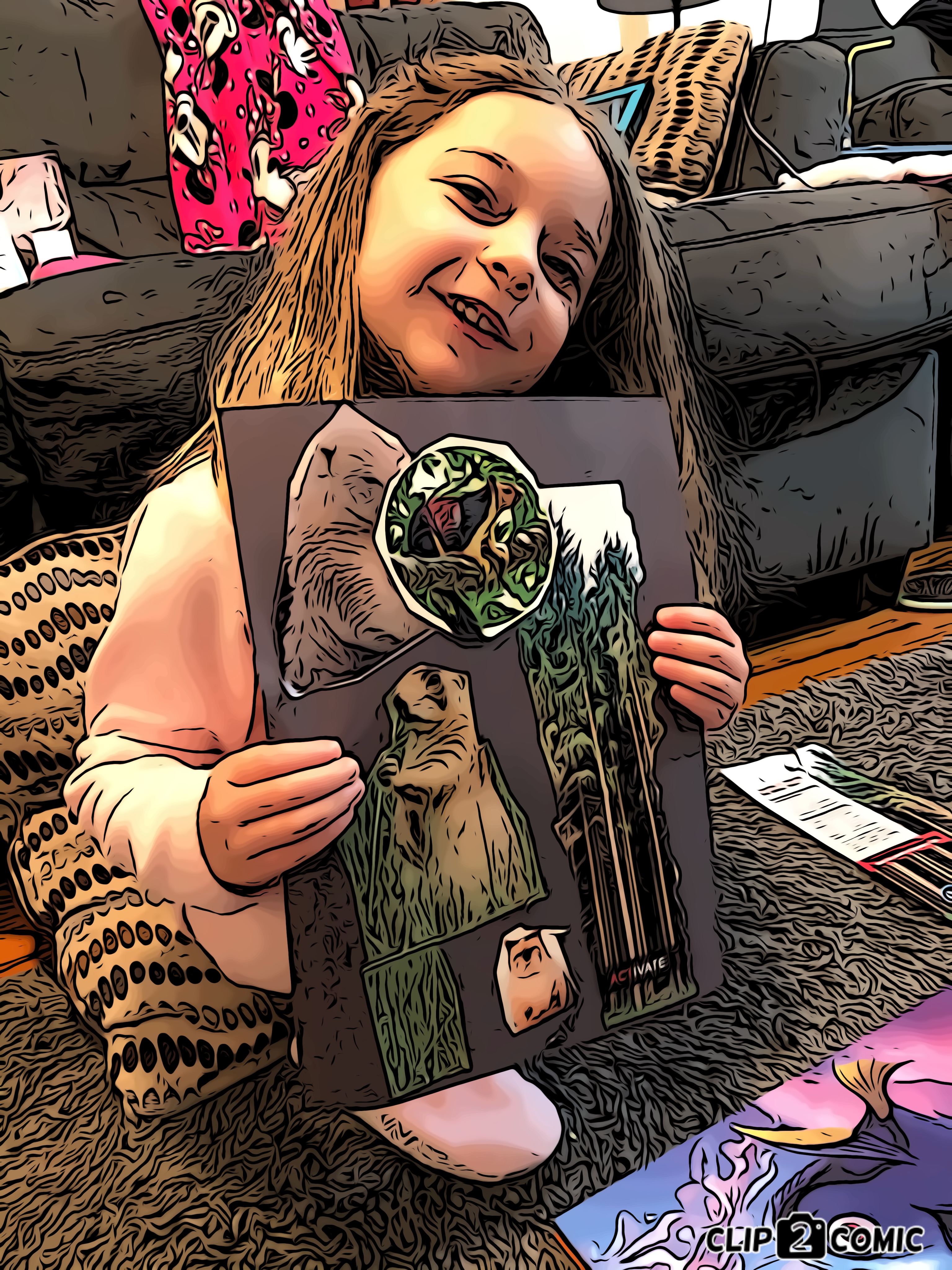
In the end, we had fun. Who wouldn’t when scissors and glue sticks are involved, right? Amelia was quite proud of her project. We’ve practiced with scissors in many other lessons since then, but this was the first. We should probably create some collages again soon.

IMG_3656


Making Spiga-ghetti (Spaghetti)


As far back as I can remember, Amelia has called spaghetti spiga-ghetti, and now I’ve found myself calling it that as well. My wife does too.

I come from a long line of Italians, and my great-grandmother, grandmother and mom all made their own fresh pasta from time to time.

During quarantine, while everyone else was making bread, I ordered semolina flour so Amelia and I could make our own pasta.

It’s a bit of a process, but it’s SO worth it. I used this recipe from Food.com, but there are some supplies you will need that you probably don’t have hiding in your cabinets, like the pasta maker.

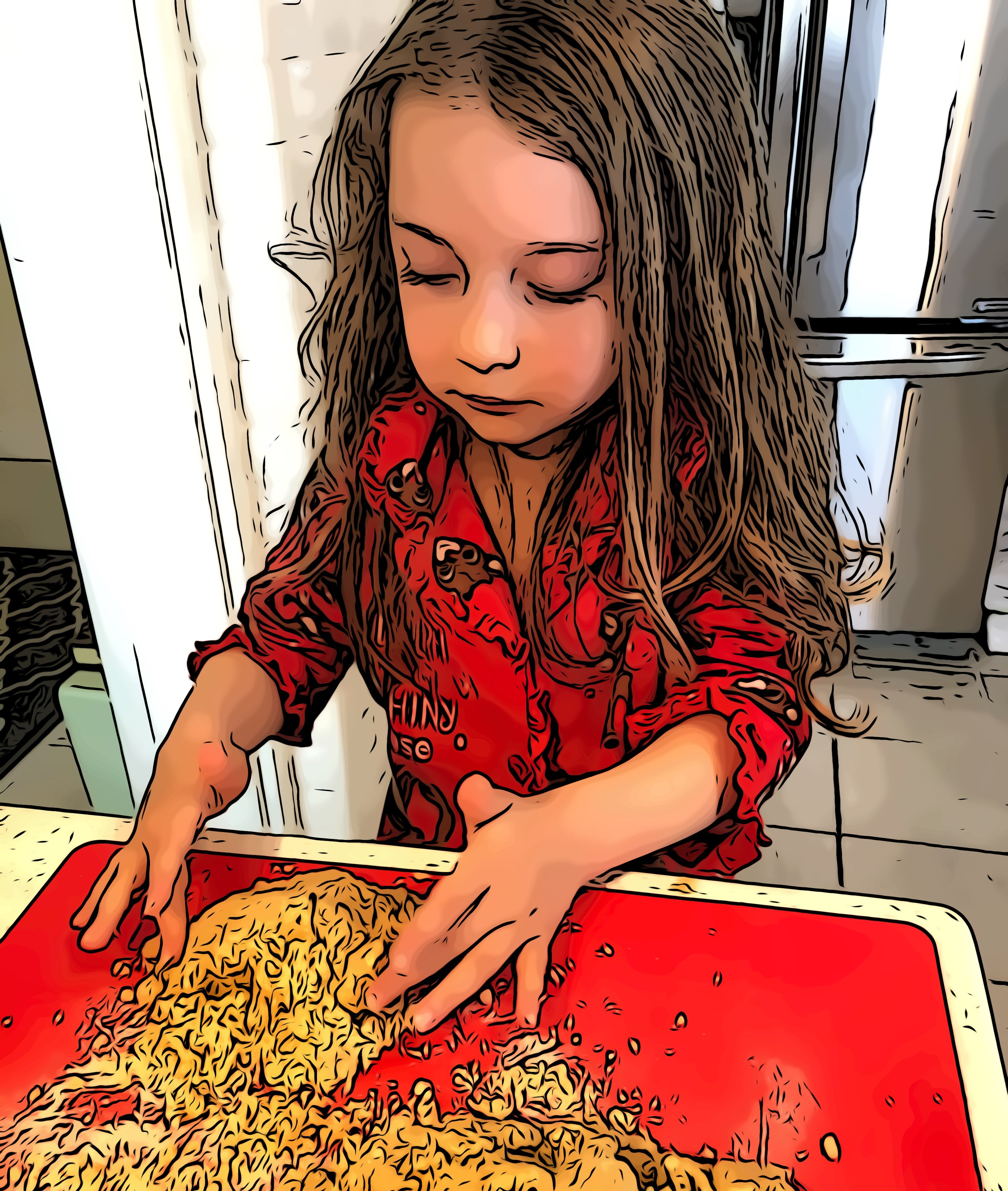
Amelia loves cooking and baking, especially cupcakes, but this was a bit different for her. We mixed the dough pretty much as the recipe said to, and she really enjoyed using our mixer.

Then we kneaded the dough at the table, just like my grandmother and I used to when I was a kid. We even used a pasta machine she brought me from Italy.

IMG_3653

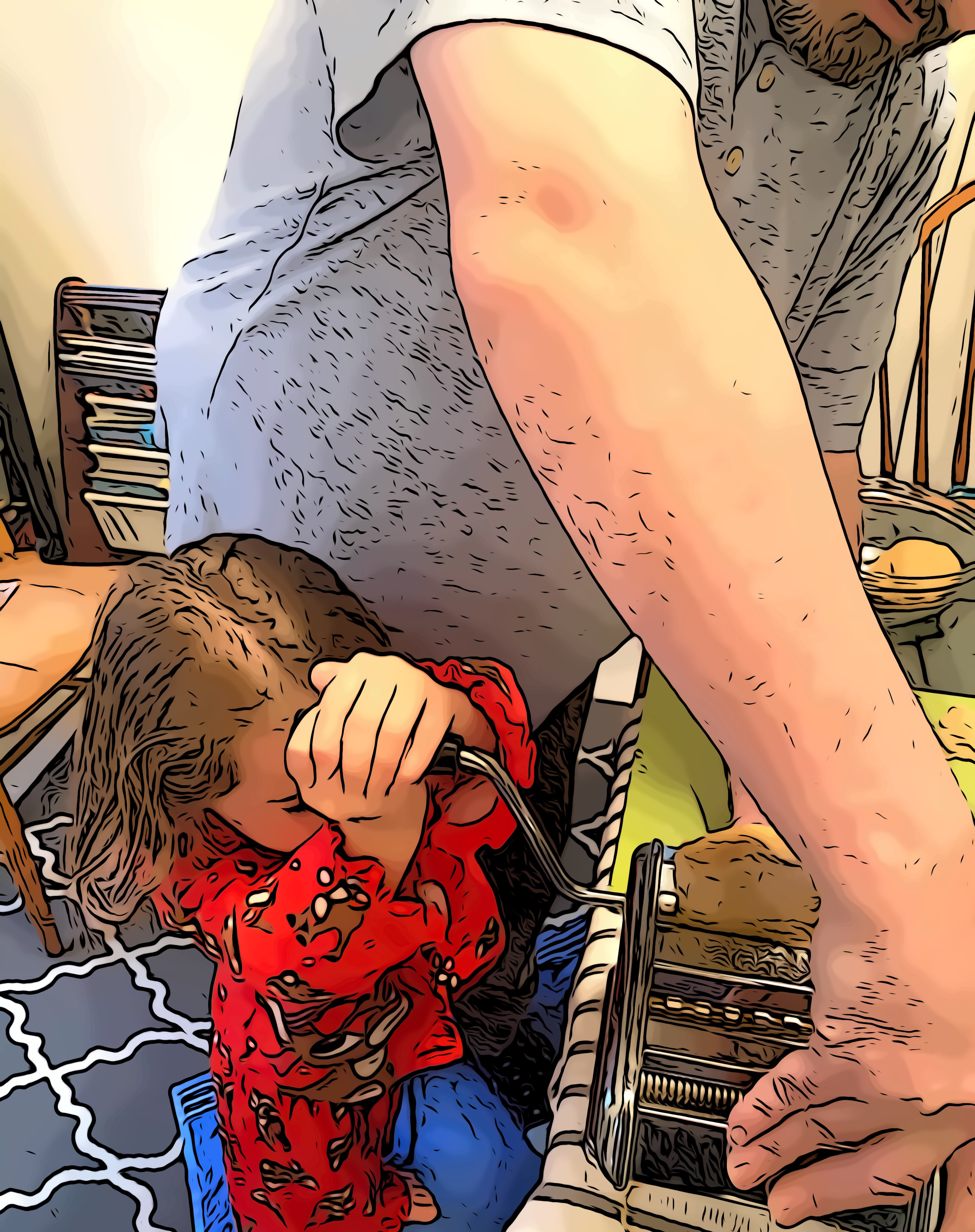
The cranking is the best part, but it’s tough, especially for a four-year-old’s arms, but Amelia really wanted to do it, and she did.

IMG_3655

For me, it’s the nostalgia. I remember making pasta with my mom and my grandmother, and now I’m making it with my daughter. It’s a blast and really brings me back.

We even let the pasta dry on my old hockey stick, just like we did it when I was young.

But man was that delicious. I make my own sauce (my relatives all called it gravy) and I absolutely love the smell of fresh basil simmering in the tomatoes. Amelia helped this time, and I hope one day to teach her my recipe so she will have it when she’s out on her own.


What is one of your nostalgia foods that bring you back to childhood? We’d love to hear from you in the comments. Maybe we will even try something you suggest!

Saving Worms

IMG_1698

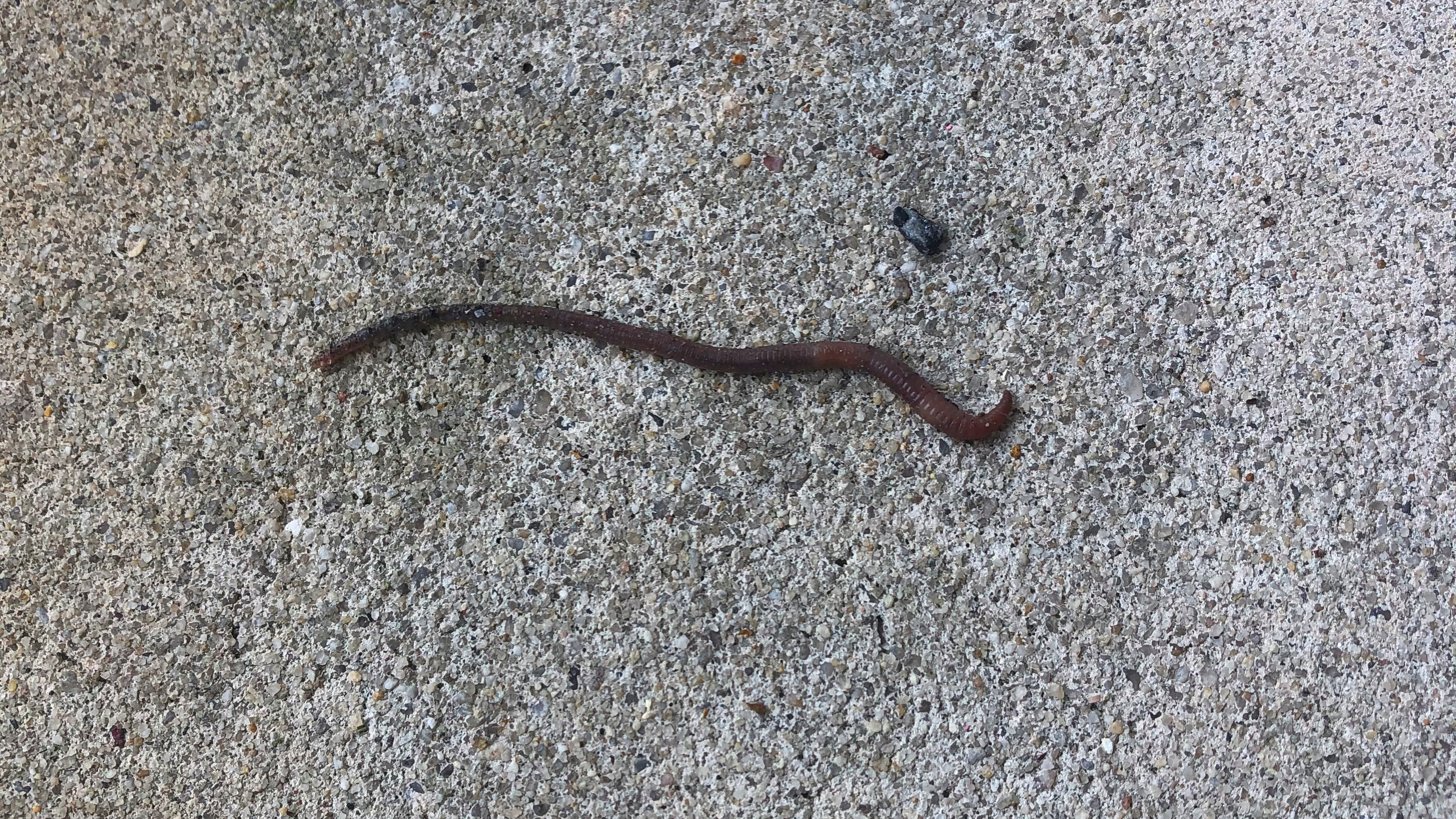
Ever notice how there are worms slithering around on sidewalks after a rainy day?

Amelia noticed. She spotted them on one of our many really hot days and asked what would happen to them.

“Daddy, what happens to them in the sun?”

“They dry up and die.”

“That’s sad. Let’s save them!”

So we decided to spend the morning rescuing the worms. And let’s face it, worms are great for our garden, so it was win-win. Or if you’re a fan of The Office, win-win-win.

We got a small beach toy and started picking the worms up and placing them inside. Amelia decided she didn’t want to touch them, so she used a very colorful zip tie to put them in. I used my hands.

And then we freed them. We talked about how worms make the soil better, and since I didn’t know much about the science behind it, decided to watch this video:

I love when her questions lead me to new knowledge. Because let’s face it, our kids are going to ask a lot of questions that we do not know the answers to. And on this particular day, I realized that a lot of good lessons for our pod of one could come from her questions.

We also HAD to watch (for the hundredth time) the Coyote Peterson episode where he searches for bloodworms. It really is one of our favorites:

This was something Amelia brought up to me. She wanted to know if the worms on our porch would bite like the do in the video, and I quickly told her no.

She taught me something that day. Sometimes, it’s nice to let her take control of a morning and see what happens. Her wish to save these worms, and her question, brought us both a bit more knowledge. Nothing wrong with that, right?


If you’re looking for a lesson with a little more structure, Growing Minds, Farm to School has some great ideas for lessons and a few books to read.


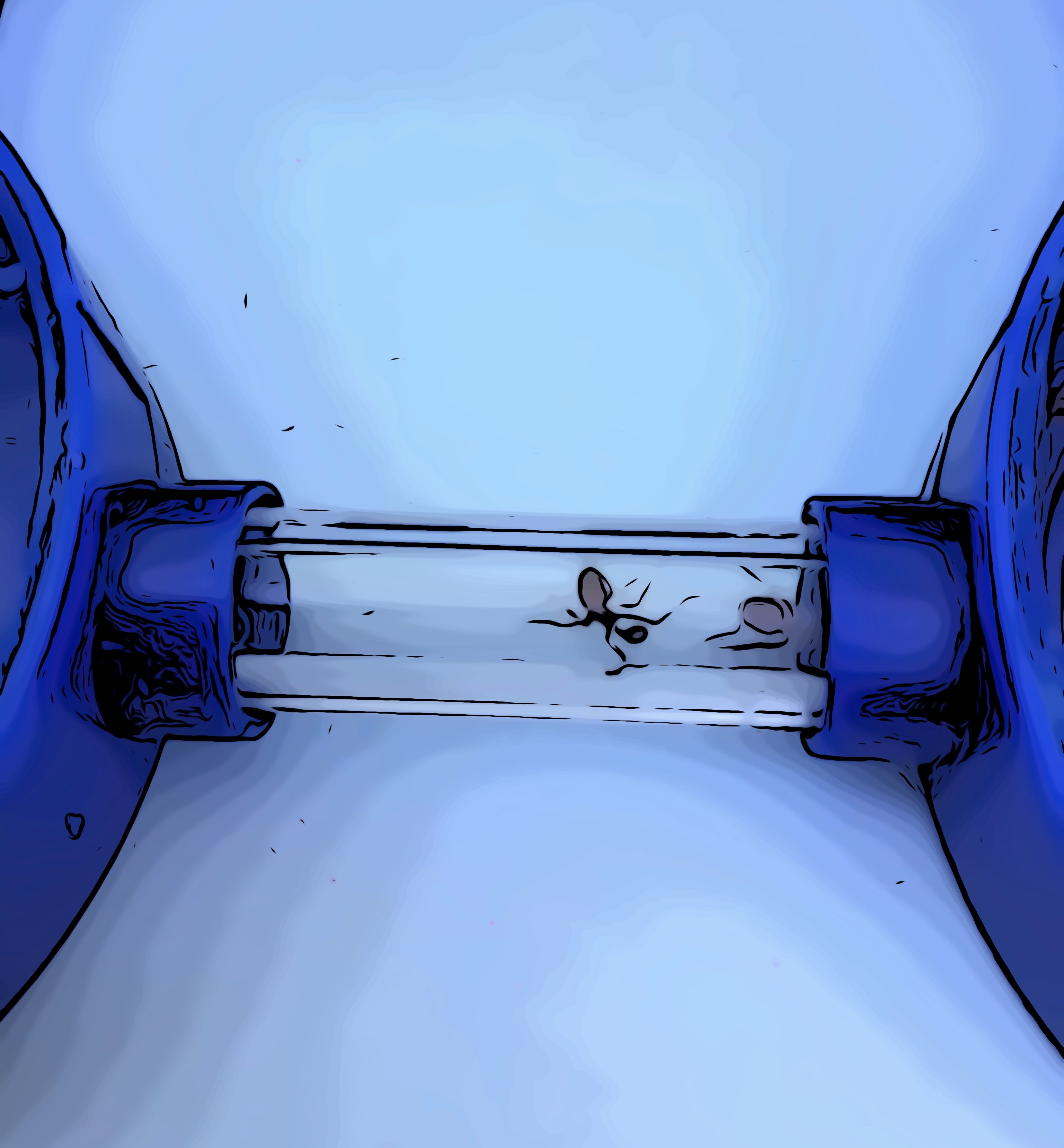
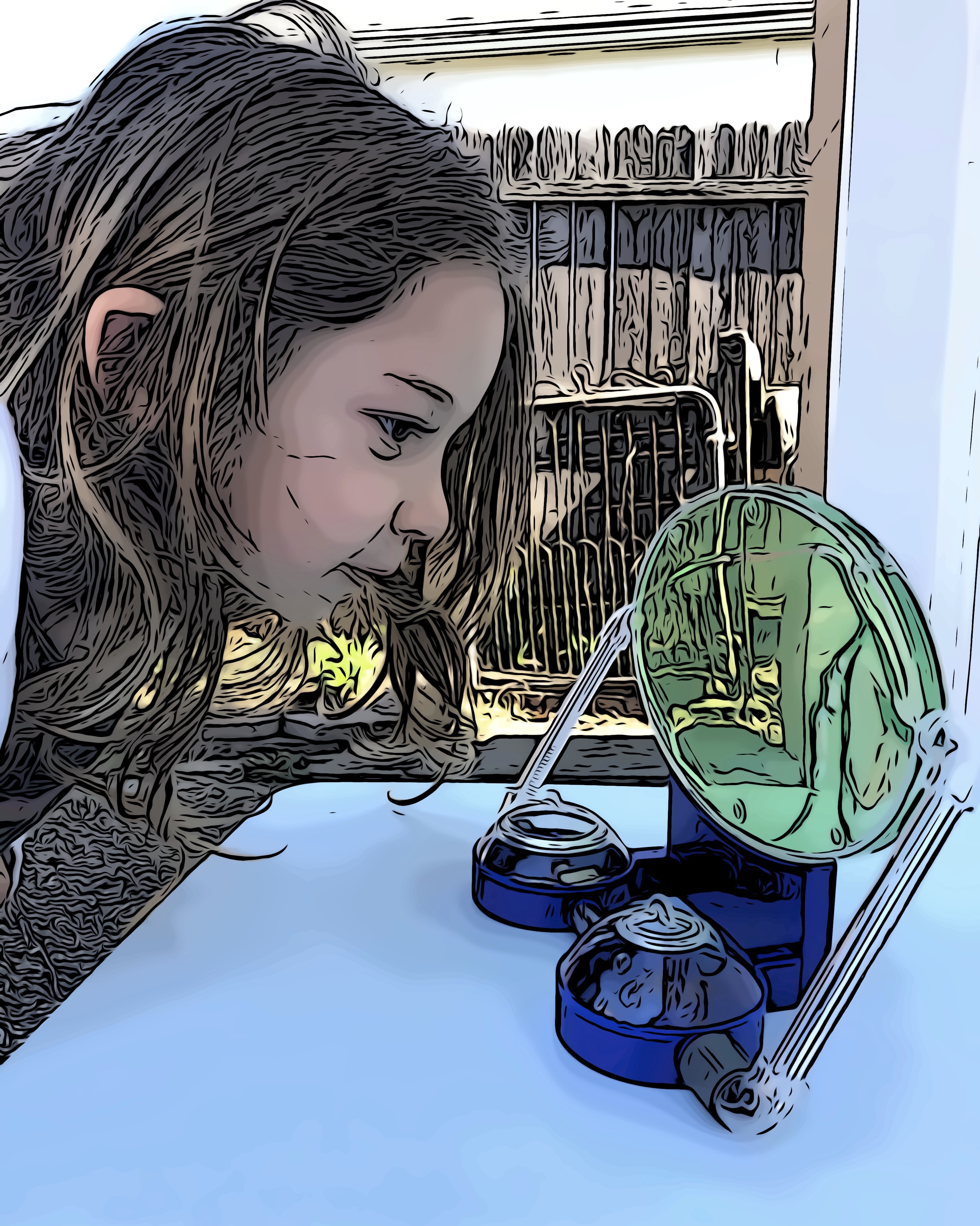
Ant Farming

One of the more exciting lessons I’ve done lately for my pod of one was an ant farm. I had picked one up on clearance at Tuesday Morning just before the pandemic started. I highly recommend stopping at one of these stores from time to time if you are on a budget. Their prices are pretty good and they often have clearance sections full of learning toys and STEM kits.

IMG_3635

The only problem was that I didn’t notice it didn’t include a certificate for the ants, so I had to find them myself. After quite a bit of research, I ended up using a company called Ants Alive because their prices were the best at $4.99USD and free shipping.

We watched a YouTube video on ant colonies, and even watched the Coyote Peterson Ant Bite video. Coyote is a favorite in our house! If you haven’t checked him out, you should.

So I told her about the ants a few weeks after ordering them, which was a mistake. Every day she wanted to check the mail. When they finally came, we followed the directions and put them in the fridge for a bit. This slows them down enough to drop them into the ant farm without worrying about losing some.

IMG_3636

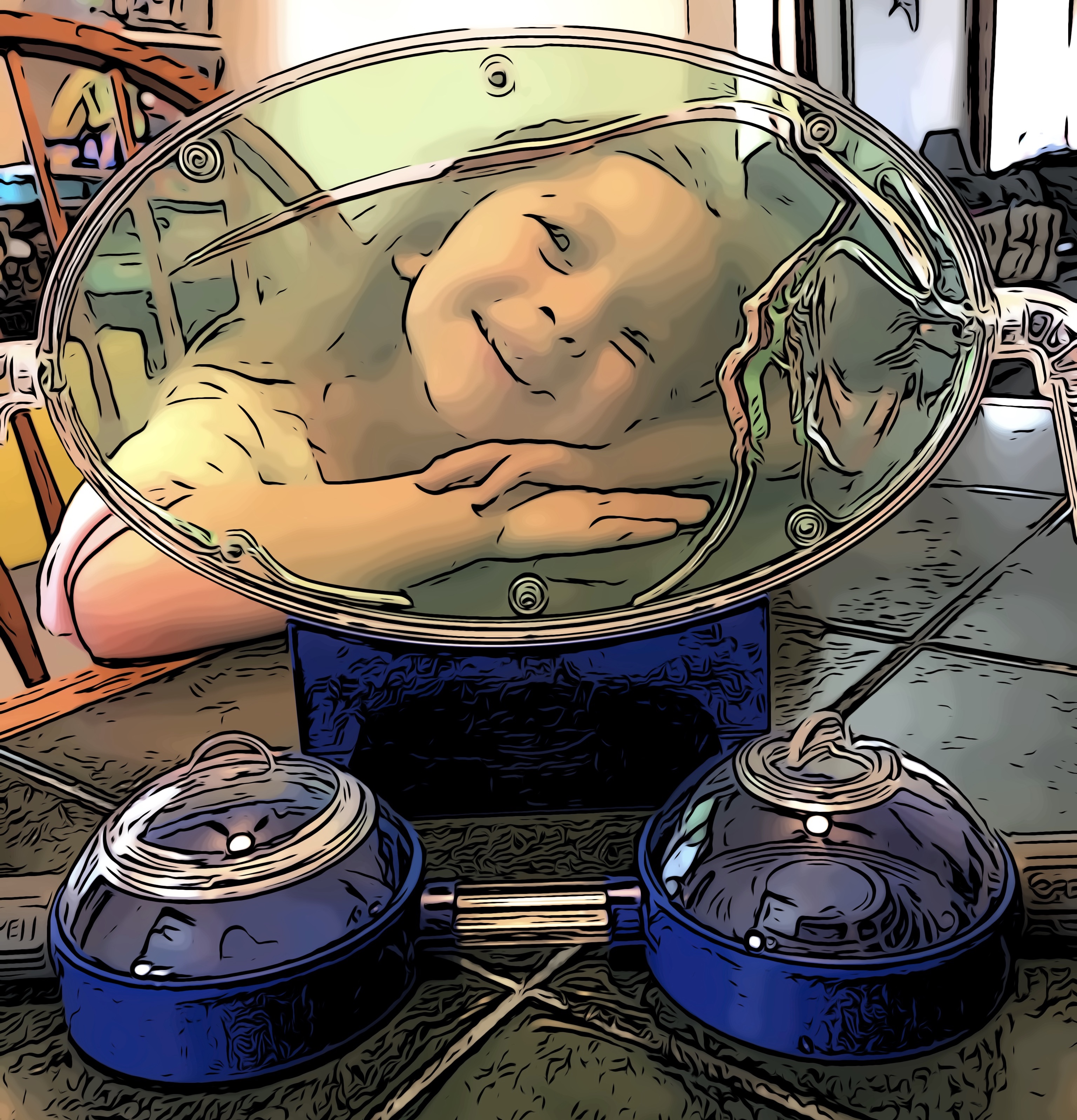
This one was a huge hit with Amelia. She checked on them every hour or so to see the tunnels change. It’s pretty amazing how quickly the create their intricate tunnel system.

This farm has a few tubes for them to run around in, and pods for food and water with safety lids to they don’t escape.

We tested different foods and had a lot of fun.

She still checks on them in the morning, although we have a few less at this point.

IMG_3637

Gardening is Fun (and Educational)

One of our big events at the beginning of the virus was gardening. Amelia’s great grandmother had given her a few packets of flower seeds, so we started with those.

First, we went over a few online lessons about plants and seeds, since that’s a pretty popular lesson in Pre-K. We started with Scholastic, which had a whole lesson created for teachers. Then we watched a YouTube video or two and read a few books on how plants grow. One was Eric Carle’s The Tiny Seed.

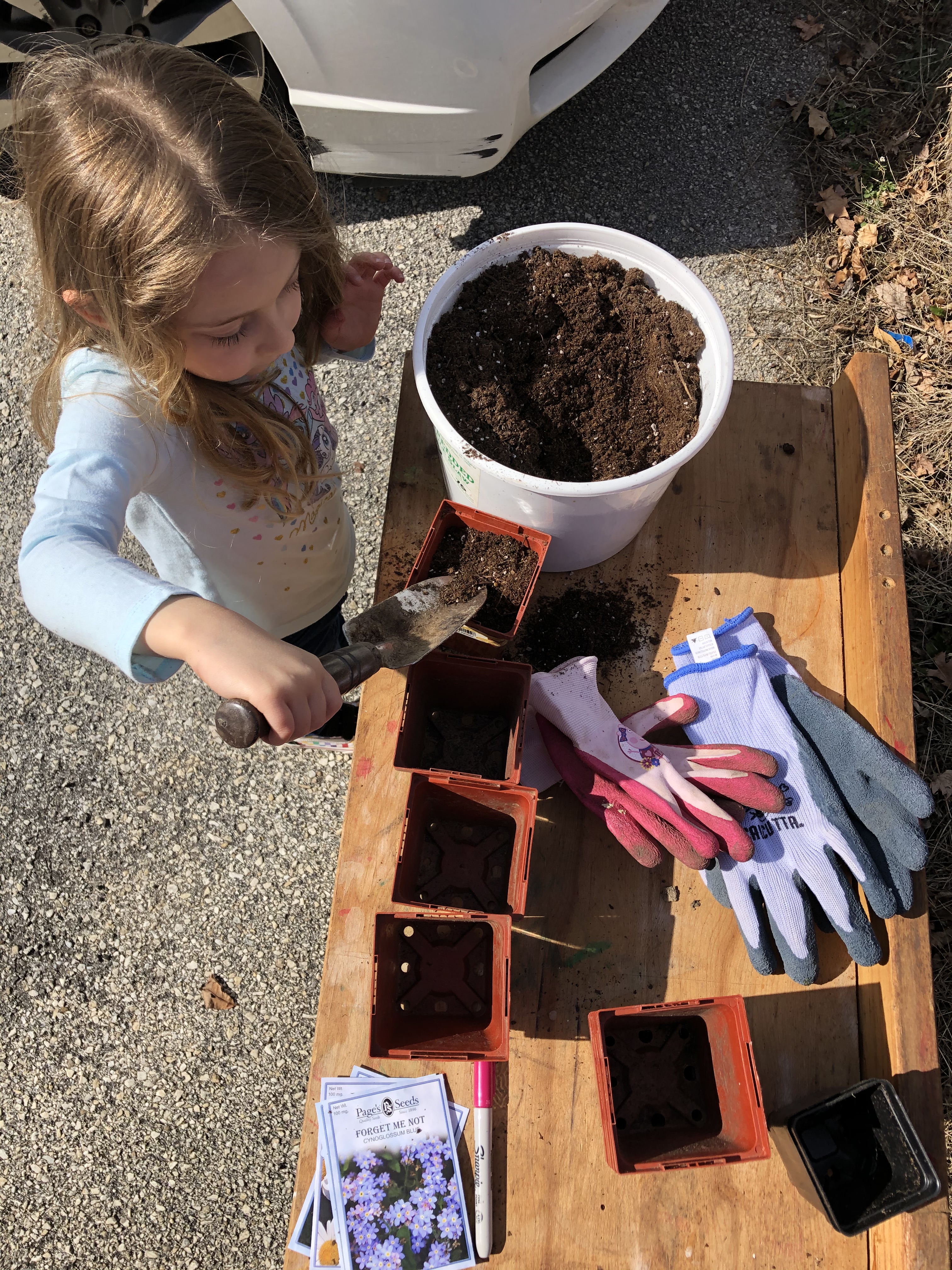
Then it was time to plant the seeds. We had to order seed dirt from Amazon because, you know, quarantine. I would usually go to our township’s free dirt pile. You should definitely look into your township to see if they have a similar program. They collect our yard waste and then create the best soil out of it. The only catch? You have to go with buckets and shovel it yourself.

Of course, Amelia really enjoys shoveling dirt into her buckets while I fill mine, so it is usually a good time.

But this time we used store-bought dirt, and it was really great. We talked about the whole process as we planted them, looked up how often to water them, and waited.

And waited.

And waited.

IMG_1696

There are many reasons gardening can be a positive experience for kids. Rasmussen College lists moderate exercise, healthier eating habits, stress relief and an early awareness of STEM development as a few.

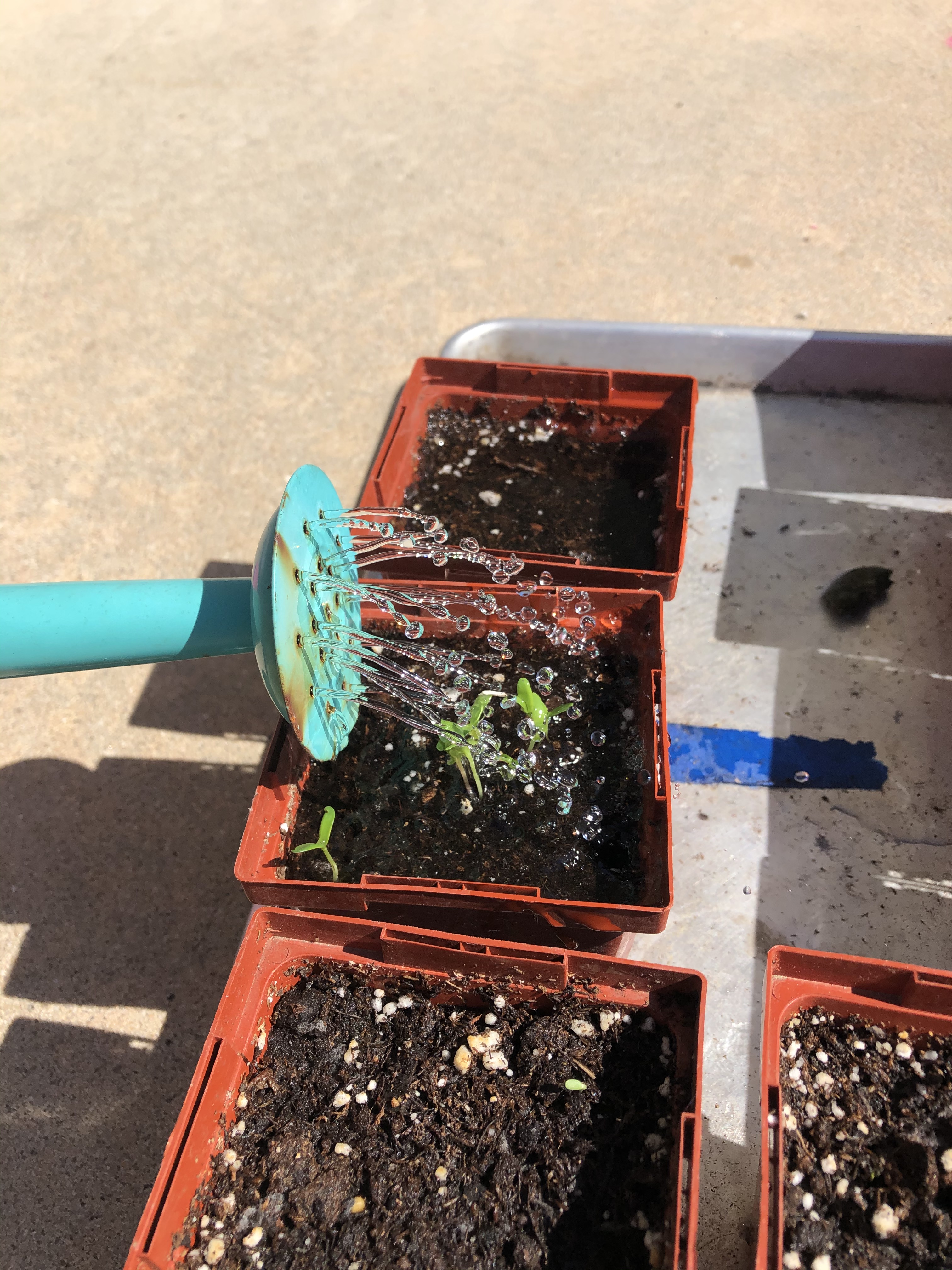
We finally started seeing buds, and practiced using rulers and writing numbers as they grew, recording their growth as they progressed. Eventually, a friend gave us a ton of vegetable seeds (she is a self-proclaimed over-buyer of seeds, which worked out great for us) and we planted zucchini, pickle cucumbers, string beans, tomatoes and sweet peppers.

We learned how often to water them and made a daily routine of taking care of our garden. It was a great mental break from everything going on.

Eventually, we plotted out a veggie garden and transplanted them outside. For a while we had so many zucchini that we had to start giving them to neighbors. Amelia LOVES zucchini, especially grilled, but even she was over it after a while. Maybe I’ll share our recipe for grilled zucchini in a future post.

IMG_1873

We had so many flowers grow that our small gardens are overflowing with flowers at this point. But the lesson was extended over a period of months because of the growth of the plants, taking care of them, and then harvesting either veggies or seeds for next year.

Of course, this would also work indoors, especially with flowers. Amazon has pretty cheap seeds, but be careful where you order them from. It’s always good to make sure they will be at your house within a week or so, especially with that whole seed scam going on right now.

Overall, I found this lesson enjoyable because I like gardening, and she learned a lot about plants. Plus whenever we are outside she runs to our string bean plant, pulls a few off, washes them and eats them raw. She loves it.

IMG_1874